What to Bring to Treatment: Preparing Your Mind and Body for Recovery
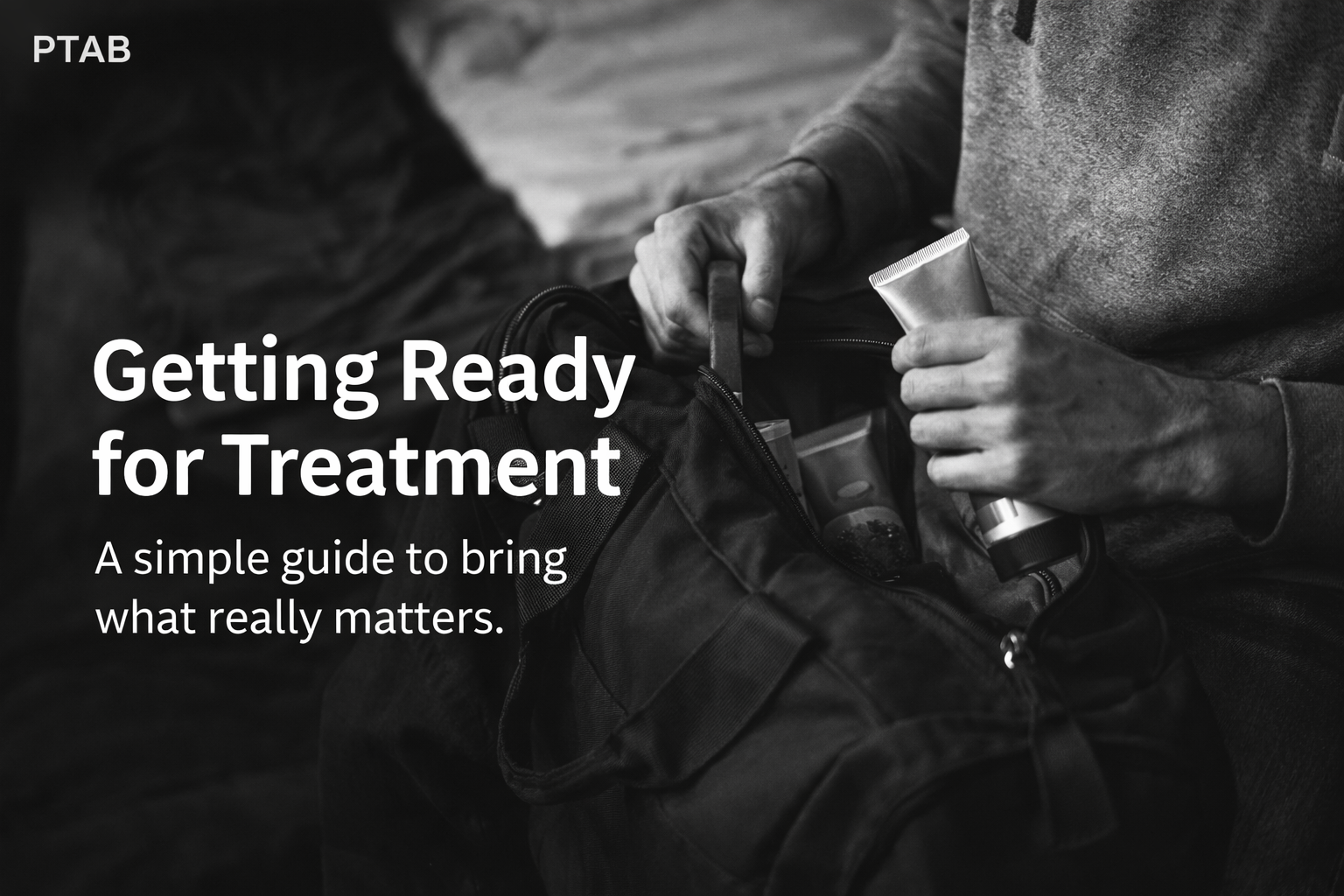
Getting ready to enter detox or residential treatment can feel overwhelming. Many people worry about packing the “right” things, but the truth is this: what you bring internally matters far more than what you bring in a bag.
At Project Turnabout, we see every day that the people who settle in most successfully focus on comfort, simplicity, and mindset. Treatment is not about proving anything or performing recovery “the right way.” It’s about giving yourself space to heal.
Start With the Right Mindset
You do not need to arrive feeling confident, hopeful, or ready. It’s enough to arrive willing.
Many people come into treatment feeling scared, tired, ashamed, or unsure. That’s normal. Detox and residential care are designed for people who don’t have it all together yet. Let go of the idea that you need to be strong or prepared in a perfect way. Showing up is the work.
A helpful mindset to bring with you:
- Be open to structure, even if it feels uncomfortable at first
- Expect discomfort, but also relief
- Give yourself permission to rest
- Focus on one day, sometimes one hour, at a time
You are not expected to solve your whole life while you’re here.
Choose Comfort Over Appearance
Treatment is not a fashion show. Comfortable clothing helps your body regulate, rest, and adjust, especially during detox or early recovery.
Soft, loose-fitting clothes allow you to:
- Move comfortably during groups or activities
- Rest when your body needs it
- Focus on recovery instead of how you look
Bringing clothes that feel familiar and safe can help ground you during moments of anxiety or fatigue.
Think About What Helps You Feel Calm and Stable
Recovery often begins by removing distractions. That’s intentional.
Many items people want to bring, like electronics or outside reading materials, can actually pull attention away from the work of stabilizing physically and emotionally. Early recovery is about being present, even when that’s uncomfortable.
Instead of asking, “What will keep me busy?” try asking:
- What helps me feel regulated?
- What makes me feel less overwhelmed?
- What supports sleep, hygiene, and routine?
Simple routines help your nervous system settle.
Just as Important: What Not to Bring
Some items can make early recovery harder, not easier.
Anything connected to past substance use, gambling, or behaviors that pull you out of the present moment can act as a trigger. Treatment works best when your environment is as neutral and supportive as possible.
Leaving these items behind is not a punishment. It’s a form of protection.
Detox and residential treatment are short-term environments designed to help you reset. You will have time later to reintroduce hobbies, routines, and personal comforts in a healthier way.
Trust That You’ll Be Supported
A common fear is, “What if I forget something important?”
If you arrive with very little, you will not be turned away. Treatment centers are prepared for people coming from many different situations. If you have questions or concerns, admissions staff can help you think it through ahead of time.
You are not expected to arrive perfectly prepared. You are expected to arrive human.
One Last Thing to Bring With You
Bring honesty.
Bring the part of you that’s tired of carrying this alone.
Bring the part of you that’s unsure but willing to try something different.
That’s enough to begin.
If you have questions about preparing for detox or residential treatment, or want to talk through what to expect, you can contact Admissions anytime.