Older Adults Face Unique and Growing Risks in the Modern Gambling Landscape

As gambling continues its rapid shift toward digital platforms, older adults are increasingly facing a quiet but serious public health crisis. Gambling preferences among older adults now tend to fall into two distinct groups: those who have adapted to online gambling environments and those who have not. For both groups, access to effective treatment remains uneven and, in many cases, unnecessarily difficult.
One of the most pressing challenges is insurance coverage. Medical assistance programs for individuals over the age of 65, including Medicare, often do not cover gambling addiction treatment. This gap leaves many older adults under the false impression that help is financially out of reach. However, there is important and often overlooked good news: gambling disorder treatment is frequently funded through state grants. These grants allow older adults to access treatment at no cost, placing them on equal footing with younger patients when it comes to financial eligibility for care.
Despite this access, the gambling environment itself has dramatically changed. Traditional casino gambling, once the dominant form of play among older adults, is increasingly overshadowed by online sportsbooks, mobile casinos, and 24/7 betting platforms. Today’s gambling industry is driven by real-time sports betting, instant digital transactions, and even cryptocurrency, an ecosystem designed for speed, constant engagement, and technological fluency.
This shift has created a widening generational gap. Older adults who did not grow up with digital technology are often excluded from prevention messaging, education, and even treatment models that assume comfort with apps, online wallets, and rapid betting cycles. As a result, many older gamblers struggle in silence, unable to fully engage with systems that were not built with them in mind.
The consequences can be severe. Research shows that gambling disorder in older adults is associated with increased risk of financial devastation, housing instability, depression, suicidal ideation, and family conflict. Unlike younger individuals, older adults often lack the ability to recover financially through re-employment. Many rely solely on fixed incomes such as Social Security or retirement benefits. When gambling losses occur, there are few avenues to rebuild.
As online gambling continues to expand and the population ages, the risks facing older adults will only intensify. Addressing this issue requires targeted outreach, age-appropriate treatment approaches, and broader awareness that free, grant-funded gambling treatment is already available. Older adults deserve access not only to care, but to care that recognizes their unique vulnerabilities and acts before the damage becomes irreversible.
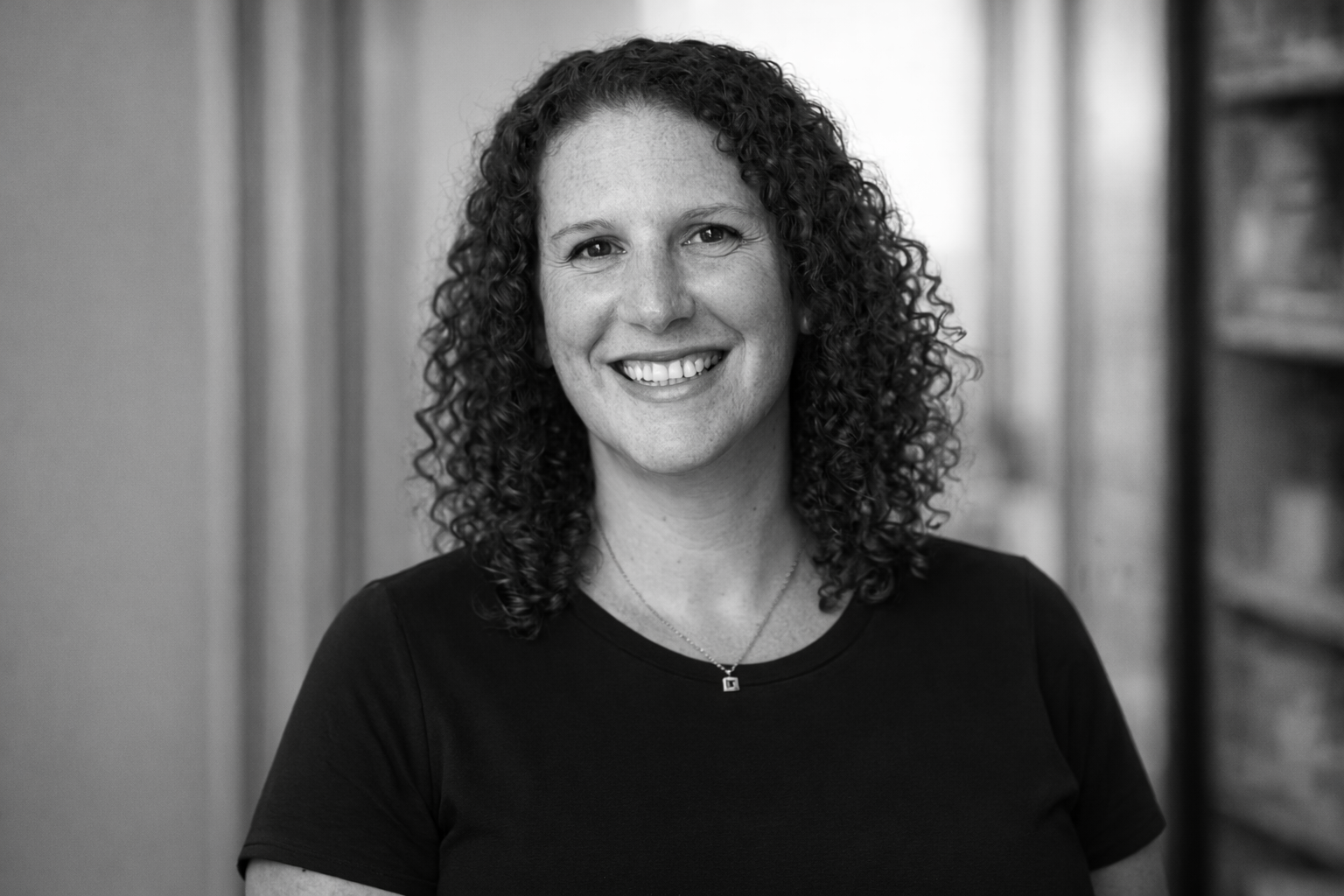
Julie Cunningham
LADC, JD, ICGC-I, Vanguard Unit Supervisor
If you or someone you care about is struggling with gambling, help is available now. Vanguard Gambling Treatment provides specialized, evidence-based care designed to meet people where they are, including older adults navigating today’s complex gambling landscape. In Minnesota, gambling treatment is free and funded through state grants, regardless of age or income. Cost should never be a barrier to recovery. Reaching out can be the first step toward stability, dignity, and hope. Support is available, confidential, and closer than you think.