Why the 12 Steps Are Part of Treatment at Project Turnabout
A Proven Path to Recovery
Recovery is hard, and people need tools that truly work. One reason the 12 Steps are part of treatment at Project Turnabout is simple: they have helped millions of people recover over many decades. Few recovery models have been studied, practiced, and tested as long as the 12 Steps.
A Long History of Success
The 12 Steps have been used for nearly a century. During that time, they have helped people from all walks of life find and maintain recovery. This long history matters. It shows that the approach can adapt to different people, different substances, and different stages of life while still offering structure and hope.
Built-In Community and Support
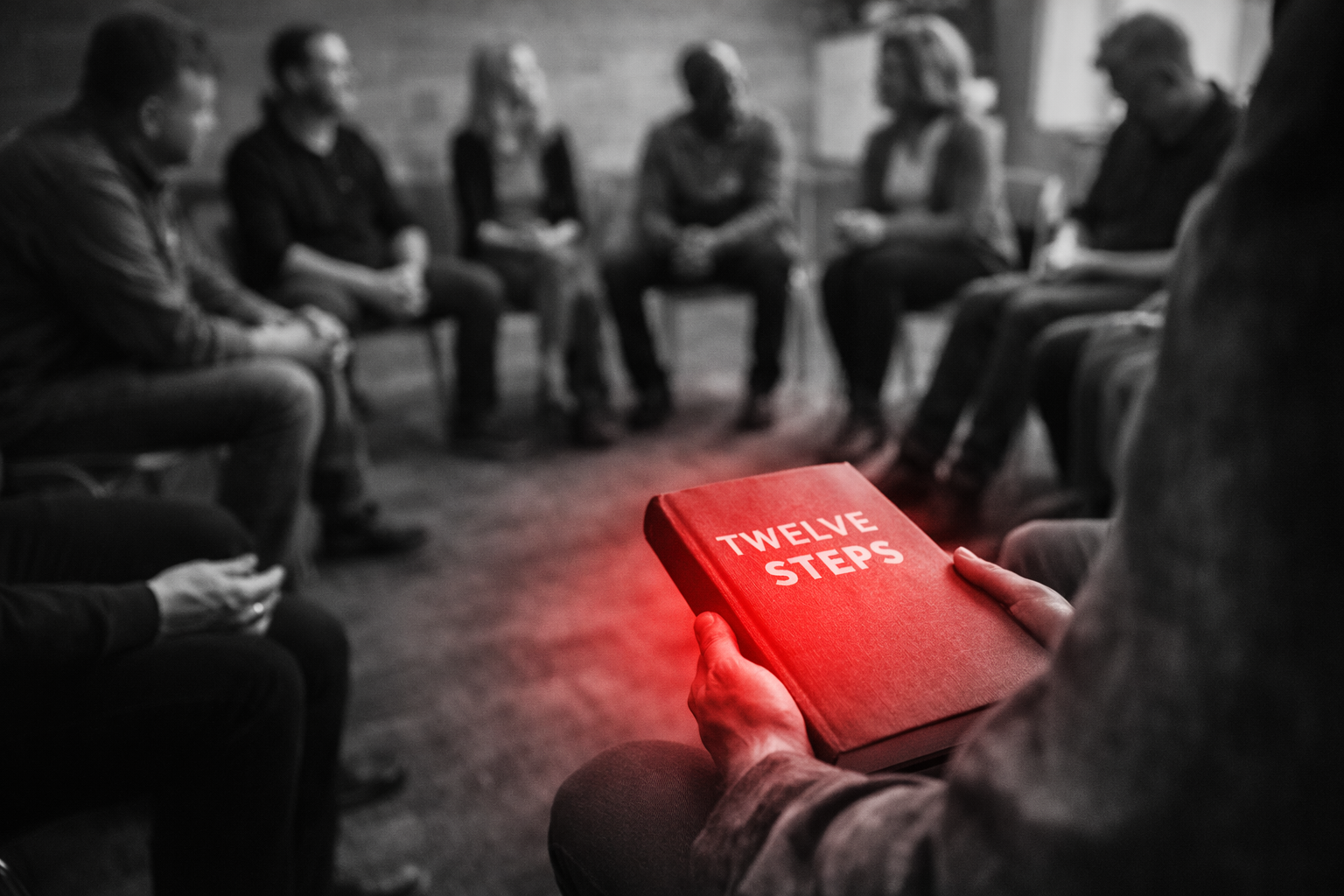
Addiction thrives in isolation, but recovery grows in connection. One of the greatest strengths of the 12 Steps is the built-in community. Meetings are available almost everywhere, often daily, and at no cost. This means people can stay connected to others who understand recovery long after treatment ends.
Support Beyond Treatment
Treatment is only one part of recovery. The 12 Steps help fill the gap after discharge by offering ongoing support, accountability, and connection. People do not have to face challenges alone. There is always a meeting, a sponsor, or a group that understands what they are going through.
Personal Growth, Not Perfection
The 12 Steps are not about being perfect. They are about honesty, growth, and learning new ways to handle life. The steps help people look at patterns, build self-awareness, repair relationships, and develop healthier ways to cope with stress and emotions.
Used Alongside Modern Treatment
At Project Turnabout, the 12 Steps are used alongside evidence-based treatment and mental health care. They are not the only tool, but they are an important one. This combined approach supports both clinical healing and long-term recovery in everyday life.
A Path That Lasts
The goal of treatment is not just short-term change. It is lasting recovery. By including the 12 Steps, Project Turnabout helps clients leave treatment with a proven framework, a supportive community, and tools they can use for the rest of their lives.