What Does Outpatient Treatment Really Look Like?

When people hear the word “treatment,” they often think of staying somewhere overnight. But that is not the only option.
Outpatient treatment helps people get support for alcohol or drug use while still living at home. You can keep working. You can keep going to school. You can keep caring for your family.
Outpatient treatment is structured, but it fits into real life.
What Happens in Outpatient Treatment?
In outpatient care, you attend scheduled group sessions each week. You also meet one-on-one with a Licensed Alcohol and Drug Counselor.
Here is what that might look like:
- You attend group three times a week after work.
- You talk about stress, triggers, and how to handle cravings.
- You learn tools to manage anger, anxiety, or strong emotions.
- You create a simple daily routine to stay on track.
- You build a plan for what to do if you feel tempted to use again.
Outpatient is not just talking about the past. It is learning what to do today.
Real Examples of What We Work On
Outpatient focuses on practical skills. Here are real examples:
Example 1: Handling Stress Without Drinking
A person learns how to pause, breathe, and call a support person instead of stopping at the bar after work.
Example 2: Creating a Healthy Routine
Someone sets a regular sleep schedule, plans meals, and schedules group sessions so their week feels steady instead of chaotic.
Example 3: Repairing Relationships
A parent learns how to respond calmly instead of yelling when feeling overwhelmed.
Example 4: Preventing Relapse
A person makes a clear plan for holidays, family events, or other high-risk times.
These are small steps. But small steps build strong recovery.
What Are the Different Levels?
Outpatient often starts with more support and then steps down over time.
Intensive Outpatient (IOP)
You attend three groups a week. This helps stabilize your substance use, emotions, and daily habits.
Phase One Outpatient
You attend two groups a week for eight weeks. You build skills, prevent relapse, and grow in self-awareness.
Phase Two Outpatient
You attend one group a week for four weeks. You focus on maintenance and long-term planning.
Who Is a Good Fit for Outpatient?
Outpatient may be right for you if:
- You have a safe place to live.
- You can attend sessions each week.
- You need help but cannot leave work, school, or family.
- You are stepping down from residential treatment.
- You are ready to try something different.
Outpatient works best for people who are willing to show up and practice new skills.
You do not have to feel strong. You just have to be willing.
When Outpatient May Not Be Enough
Sometimes someone needs more support at first.
If a person is:
- Using heavily every day,
- Experiencing severe withdrawal symptoms,
- Or living in an unsafe environment,
Residential or inpatient care may be a better first step.
An assessment helps decide the right level of care.
You Do Not Have to Put Your Life on Hold
Outpatient treatment is built for real life.
You can:
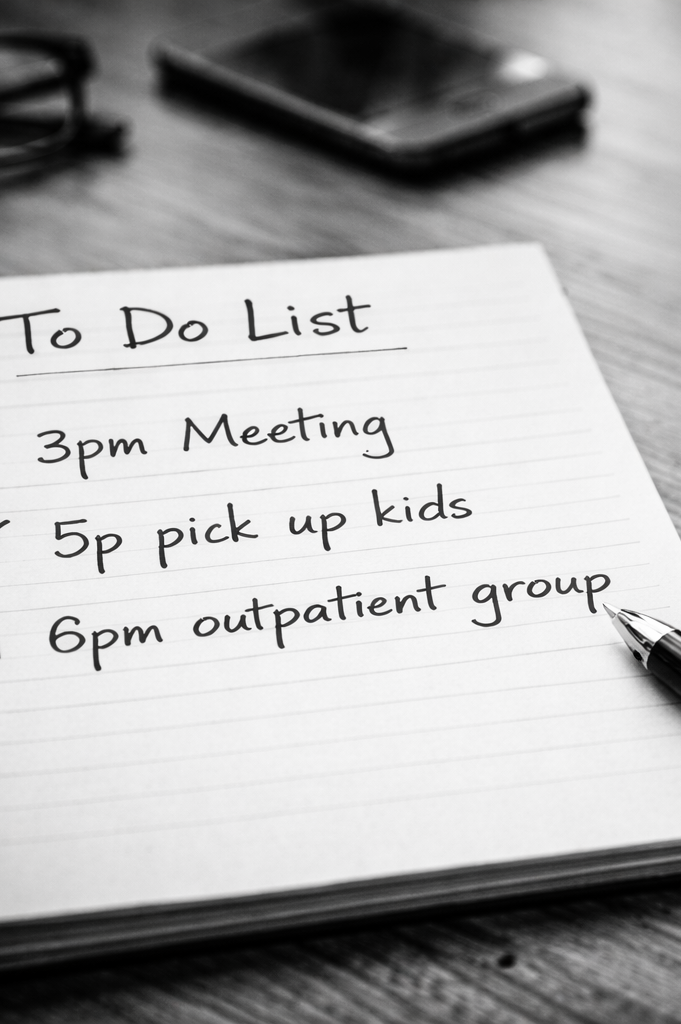
- Go to work at 8 a.m.
- Pick up your kids at 5 p.m.
- Attend group at 6 p.m.
- Sleep in your own bed.
Recovery does not have to mean stepping away from everything. It can mean learning how to live your life in a healthier way.
If you are not sure what you need, that is okay. The first step is simply asking.
You do not have to have all the answers before you reach out.