The first step is the hardest.
If you're wondering if you can get help, that's why we're here. The hardest part is reaching out.
Signs that you may need help.
If you are using substances to cope with overwhelming emotions, trauma, or thoughts of harming yourself, it’s especially important to talk with someone right away.
WHY CHOOSE PROJECT TURNABOUT?
With more than 50 years of experience, Project Turnabout delivers an integrated, step-down approach to recovery designed to support lasting, long-term success.
This is a paragraph. Writing in paragraphs lets visitors find what they are looking for quickly and easily. Make sure the title suits the content of this text.
Learn about Project Turnabout's Step Down Approach to Treatment
Project Turnabout’s step-down approach provides the right level of support at each stage of recovery, helping people build stability, skills, and lasting change over time.
How Our Personalized Recovery Plan Helps You Stay Strong After Treatment
A recovery plan helps make sure support does not stop when treatment ends. It is a clear, personalized path forward built around real life, not guesswork.
Why the 12 Steps Are Part of Treatment at Project Turnabout
The 12 Steps have helped millions recover for generations, offering proven structure, built-in community, and support that lasts long after treatment ends.
NEXT STEPS
Schedule an Assessment to Get Started
The first step to starting your journey with Project Turnabout is to schedule an assessment with one of our Admissions Counselors. This confidential call will allow our team to create a plan that gets you on the right path for living life on life's terms.
NEXT STEPS
Frequently Asked Questions
How long does treatment usually last?
Treatment length varies based on your needs, goals, and level of care. Some people begin with short-term support, while others benefit from longer treatment with step-down care that continues as stability grows.
What if I have tried treatment before and it didn’t work?
Many people need more than one attempt at recovery. Treatment is not a failure if someone returns for help. Each experience provides insight, and care can be adjusted to better fit what you need this time.
Will I have to stop working or leave my family?
Not always. Treatment is matched to your needs. Some people benefit from residential care, while others can begin with outpatient or intensive outpatient services and continue living at home.
What if I have mental health concerns too?
Many people do. Treatment addresses substance use and mental health together, because they are often connected. Supporting both improves long-term recovery and overall well-being.
What support do I have after treatment ends?
Recovery does not stop at discharge. A personalized recovery plan helps connect you to ongoing care, community supports, and tools that help you stay strong in everyday life.
TAGLINE
Getting Ready For Treatment
If you’re ready for treatment, here are a few simple steps to help you prepare and take care of important details before you arrive.
What should I bring to treatment?
Download ListBefore you arrive, download this checklist to help you feel prepared. It outlines what to bring, what not to bring, and essentials such as comfortable clothing, personal toiletries, medications, and important paperwork.
Release of Information
Release of InformationBefore treatment begins, you’ll need to complete a Release of Information (ROI) form. This allows our team to coordinate care and communicate appropriately with referring providers or supports involved in your treatment. The form is simple to complete and helps ensure your care is well coordinated from the start.
Online Consent Form
Informed ConsentThe online informed consent form explains how virtual services work and what to expect if any part of your care is provided online. It helps ensure you understand your options, your rights, and how your care is delivered.
What should I take care of at home before I come to treatment?
Before arriving, it helps to arrange basic responsibilities such as childcare, pet care, mail, bill payments, and work coverage. Taking care of these details ahead of time can help you focus fully on your health once you arrive.
Do I need to notify my employer or school?
If you’re working or in school, you may want to notify your employer or academic advisor that you’ll be away for medical reasons. Our admissions team can help answer questions about time away, documentation, or medical leave options.
What about my medications and medical information?
Bring a current list of medications, including dosages and pharmacy information. If you have medical conditions like diabetes, asthma, or COPD, make sure to bring any required supplies and let admissions know ahead of time so we can plan for your care.
PROJECT TURNABOUT
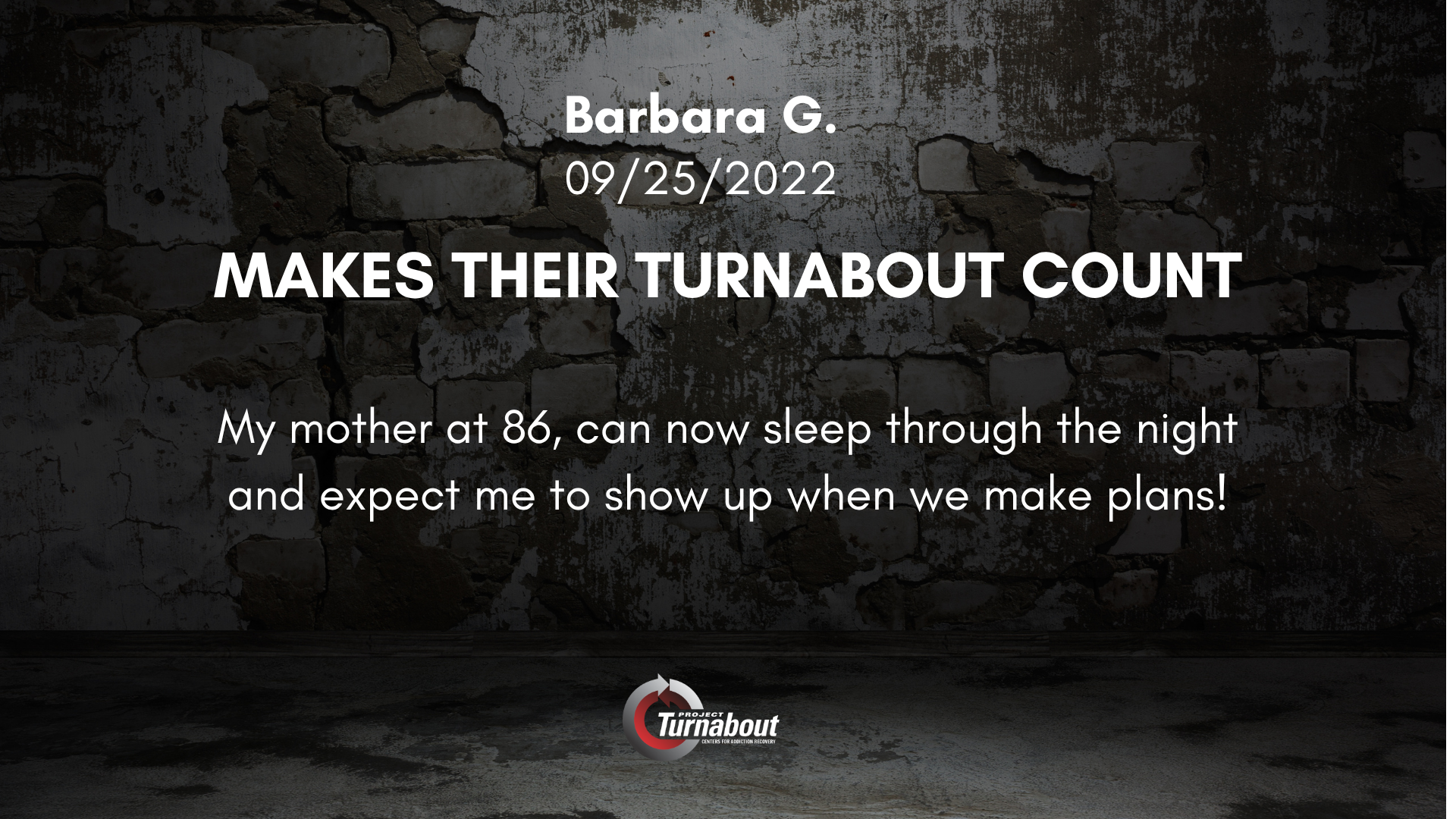
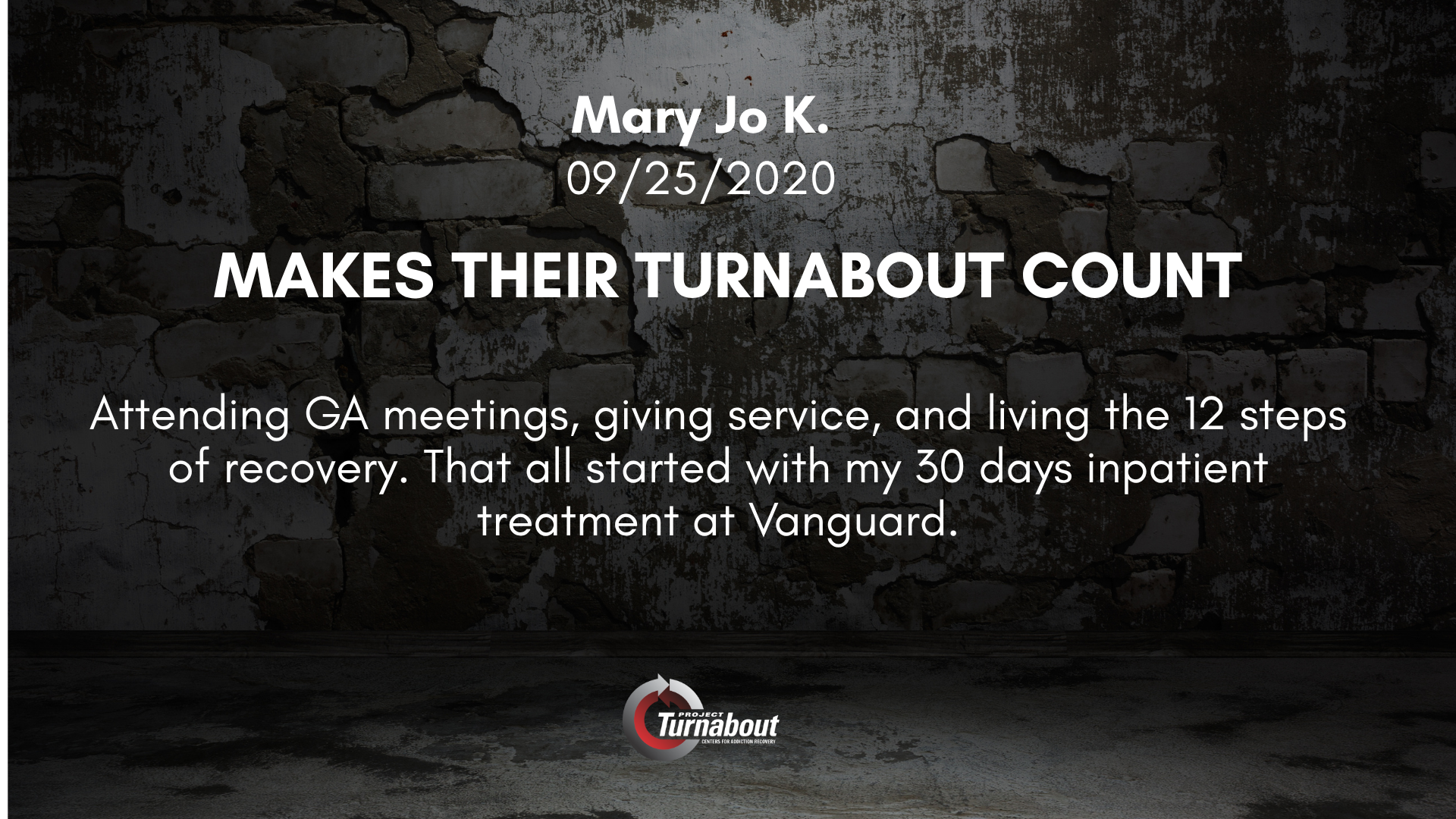
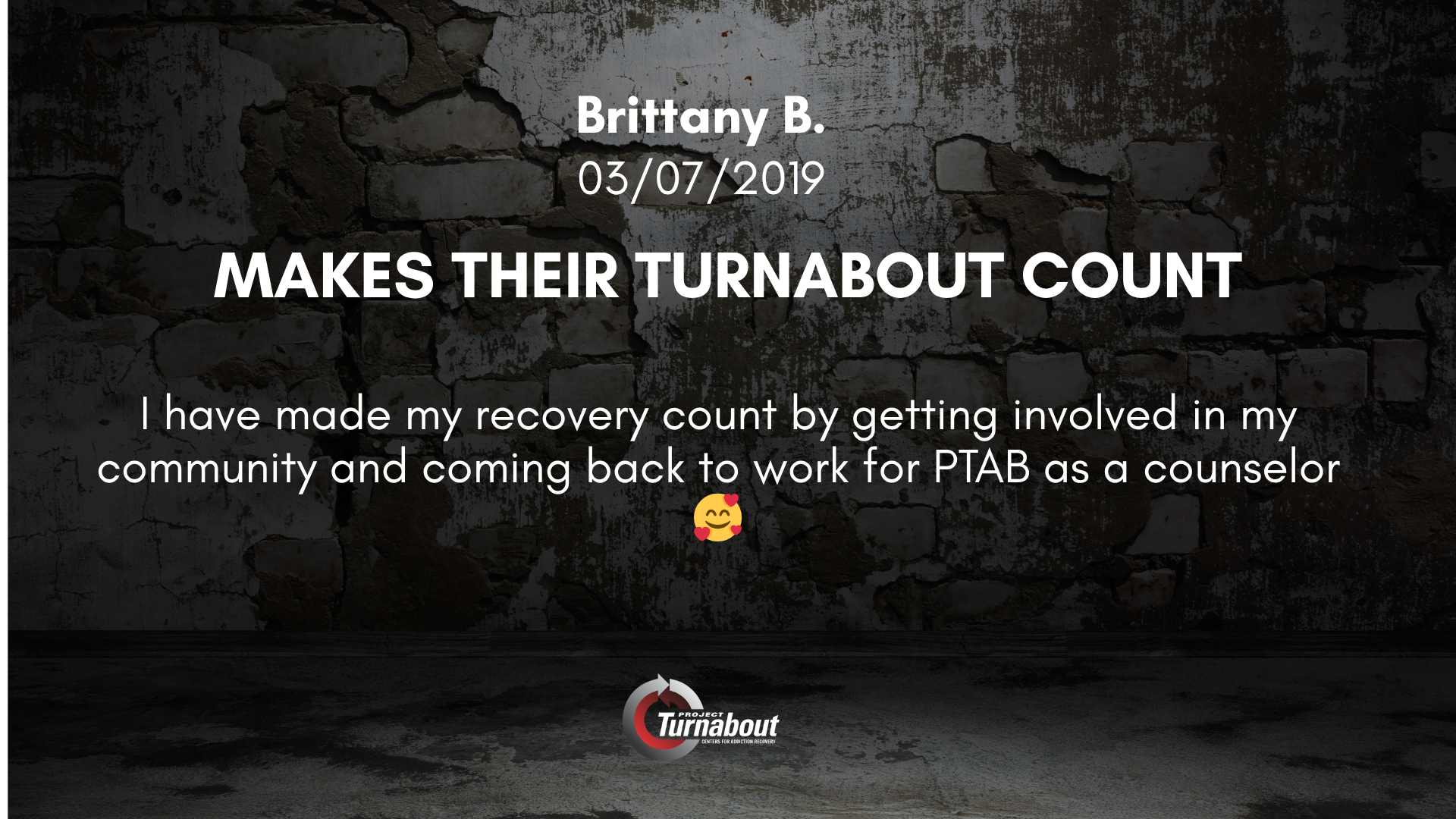
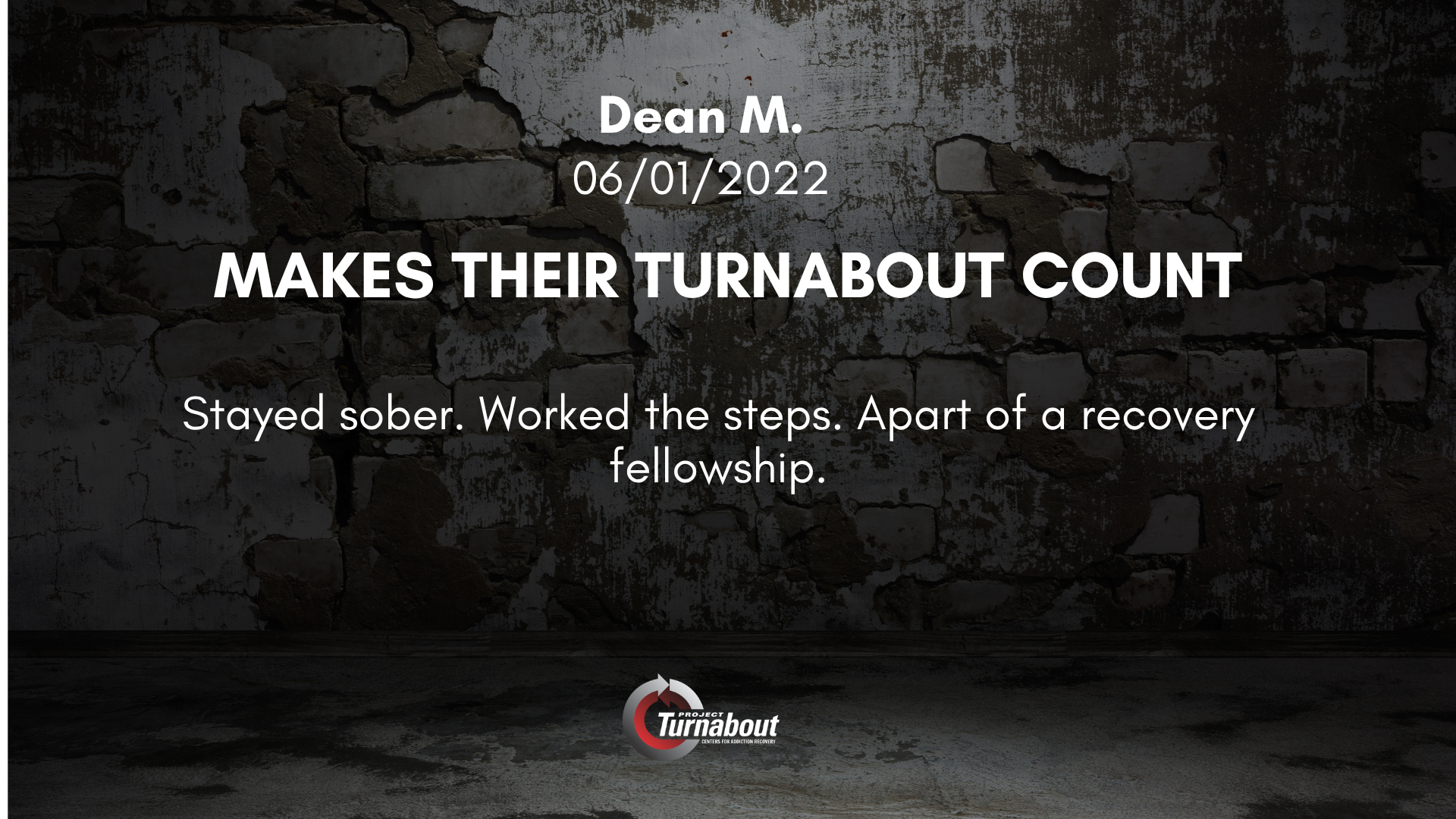
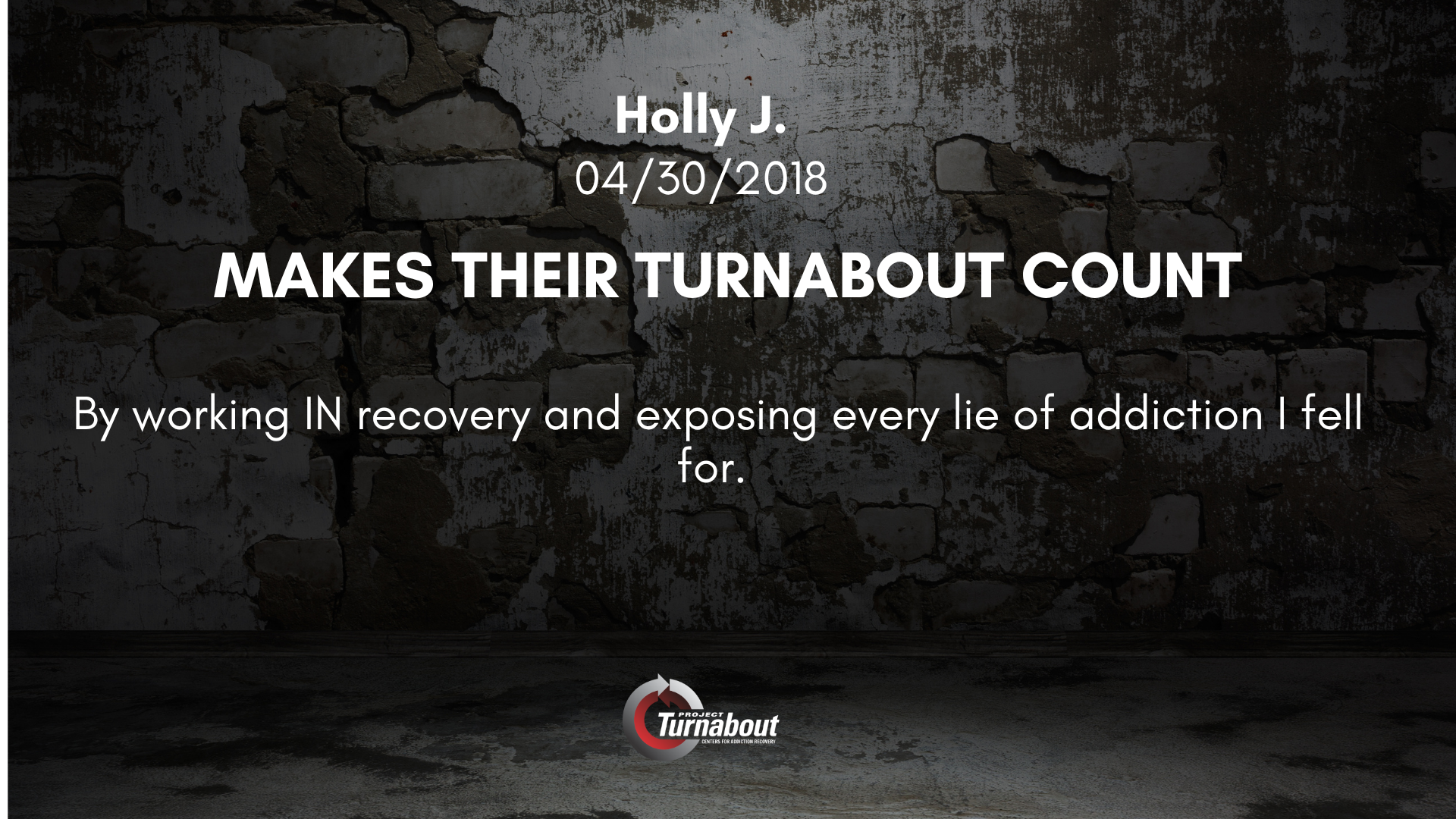
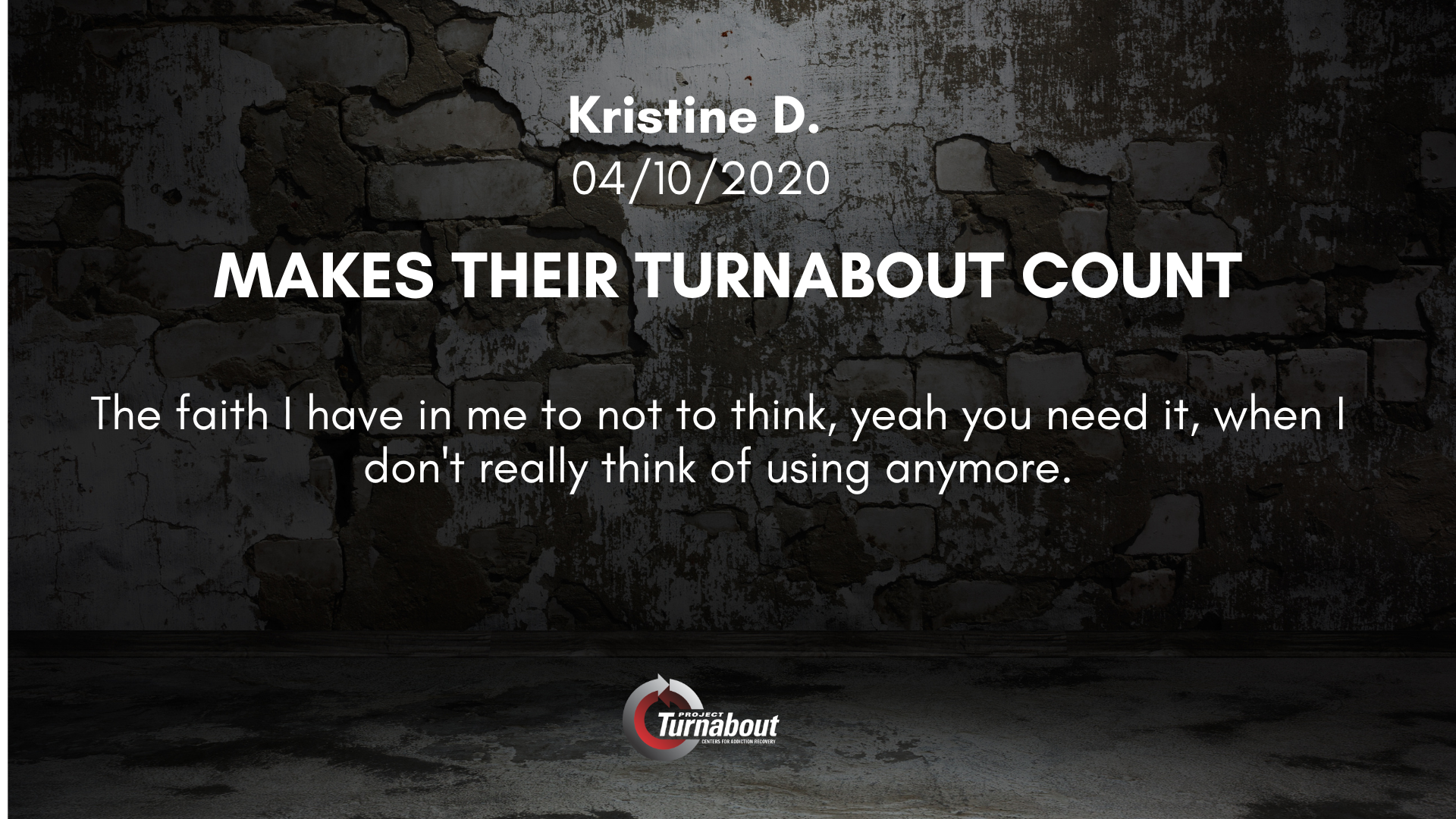
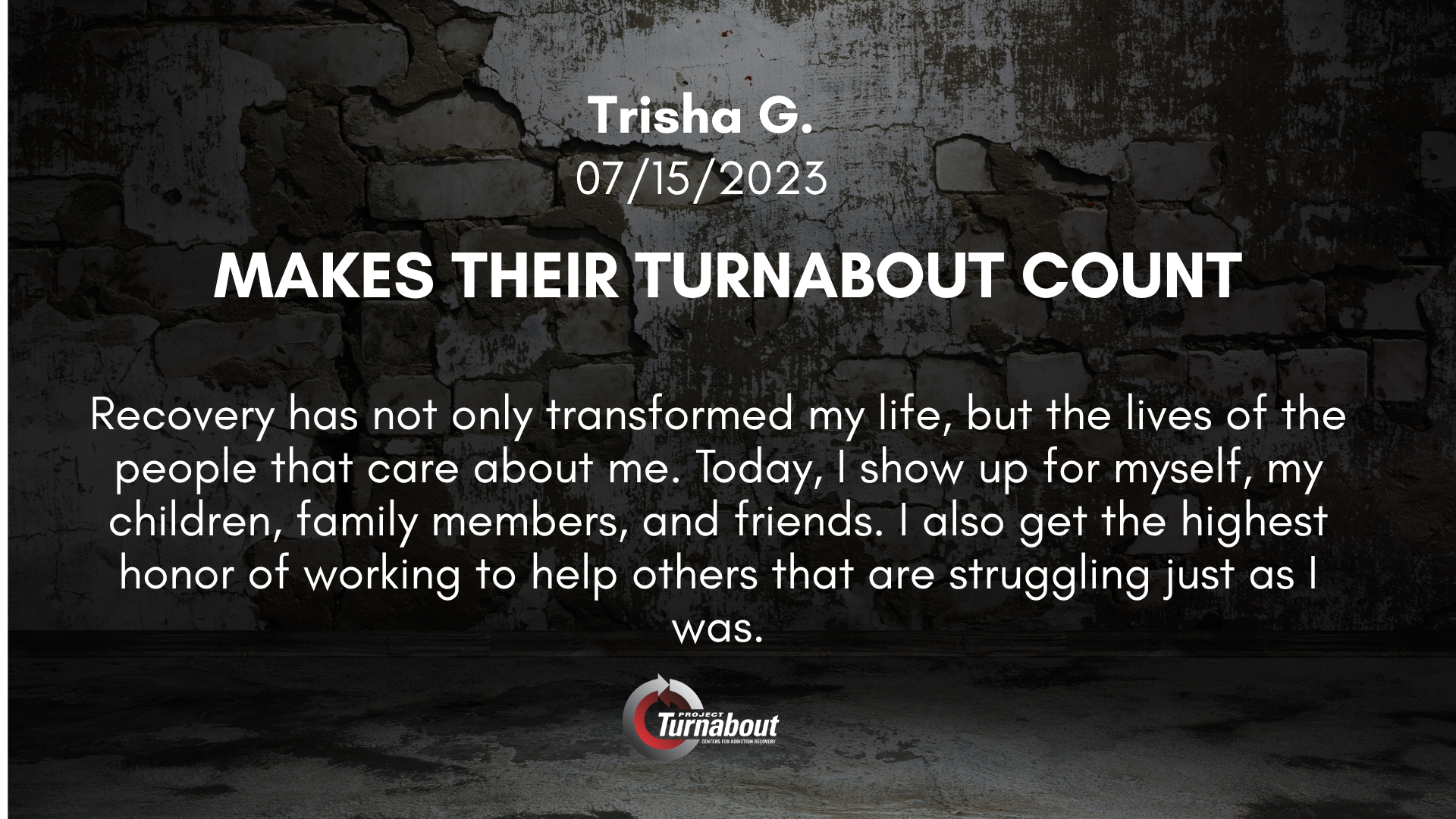
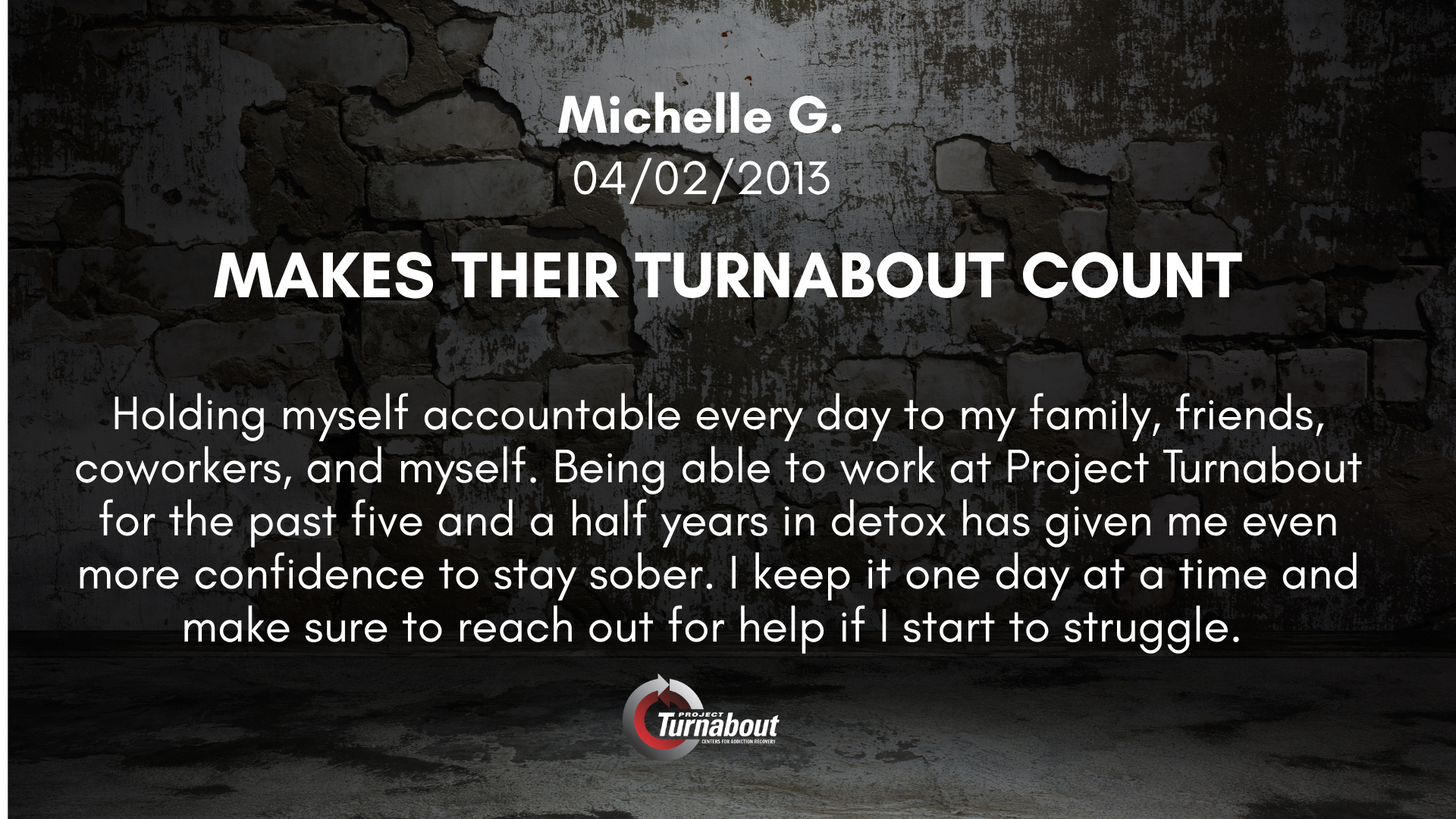
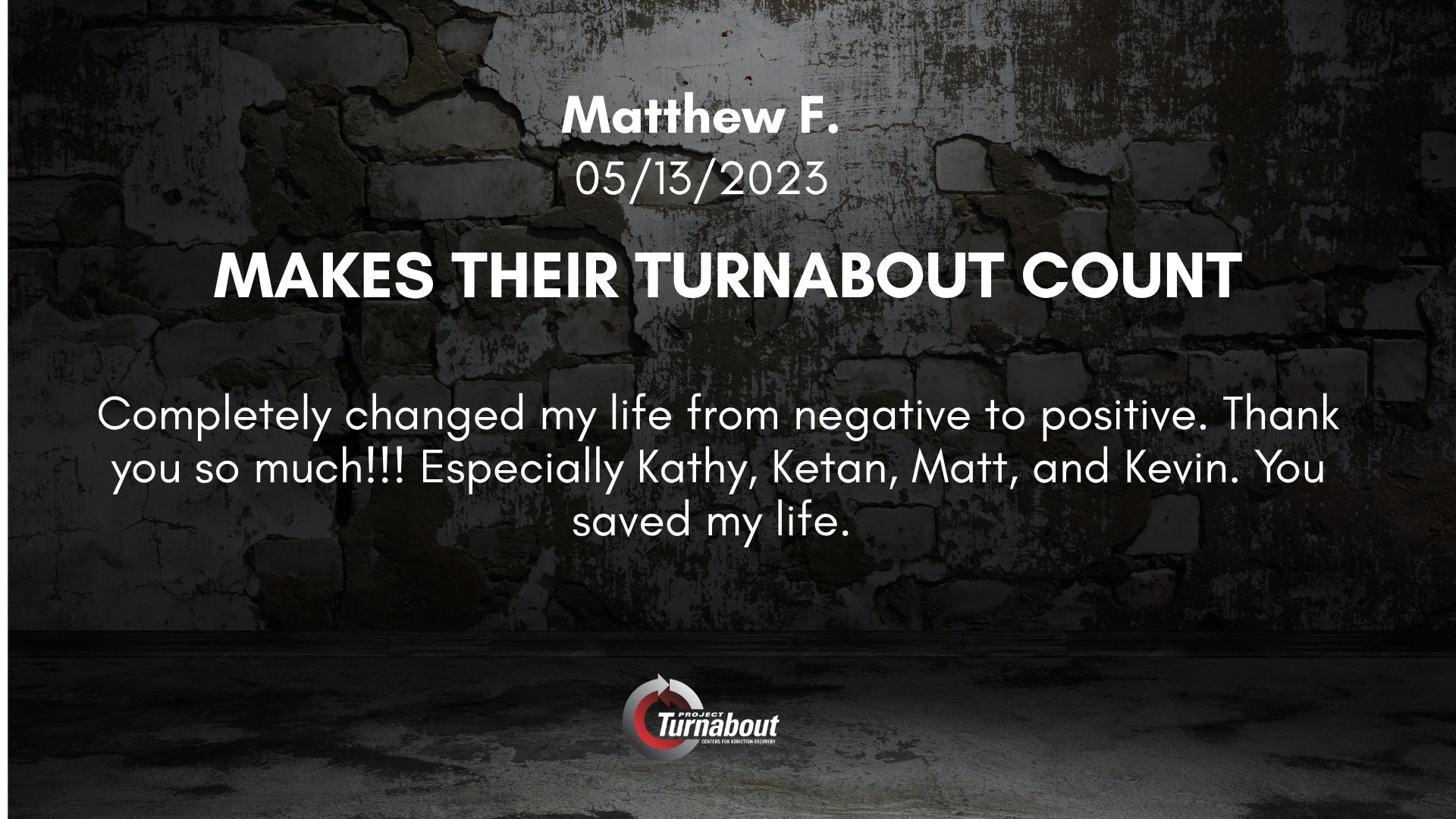
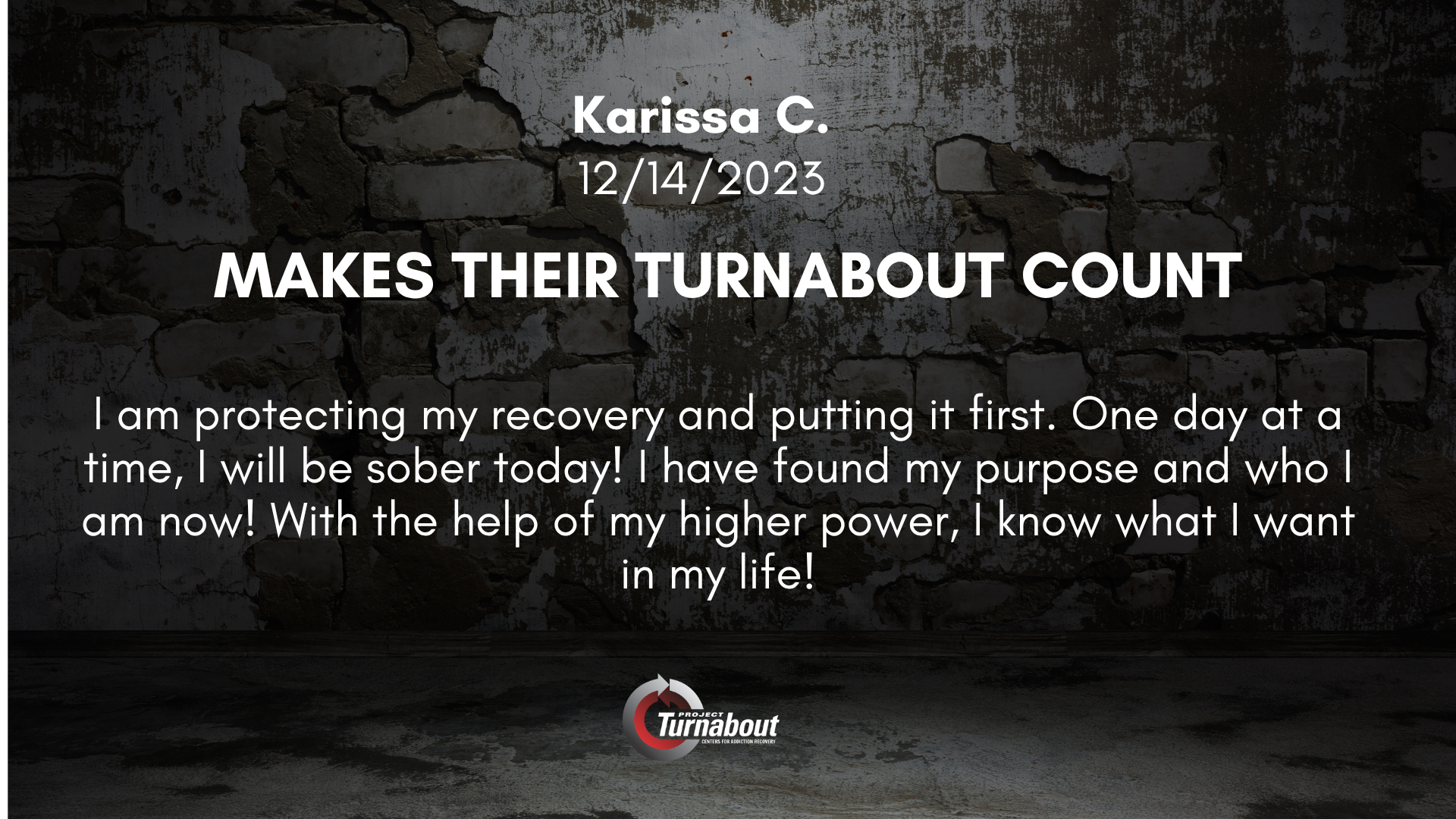
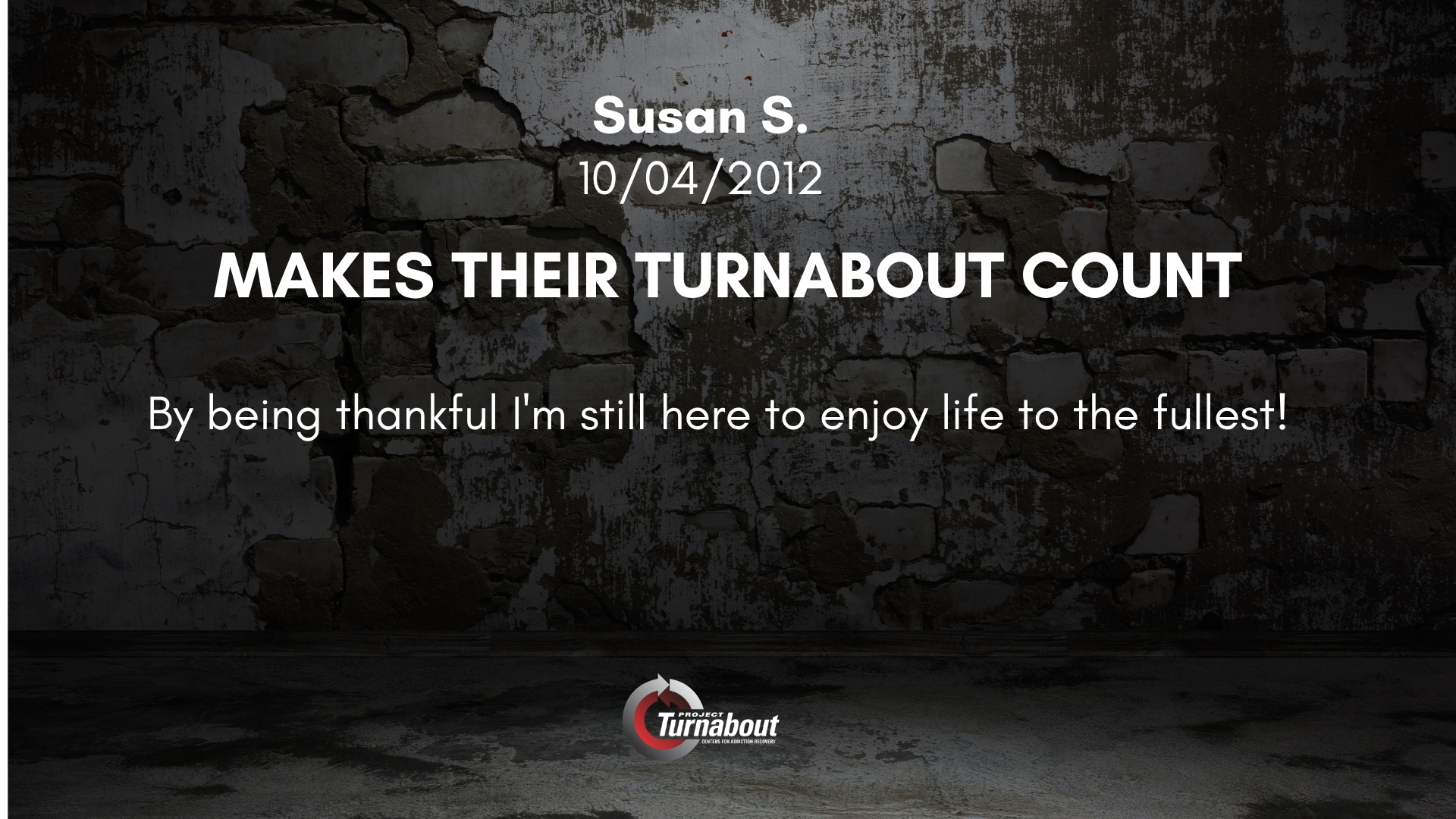
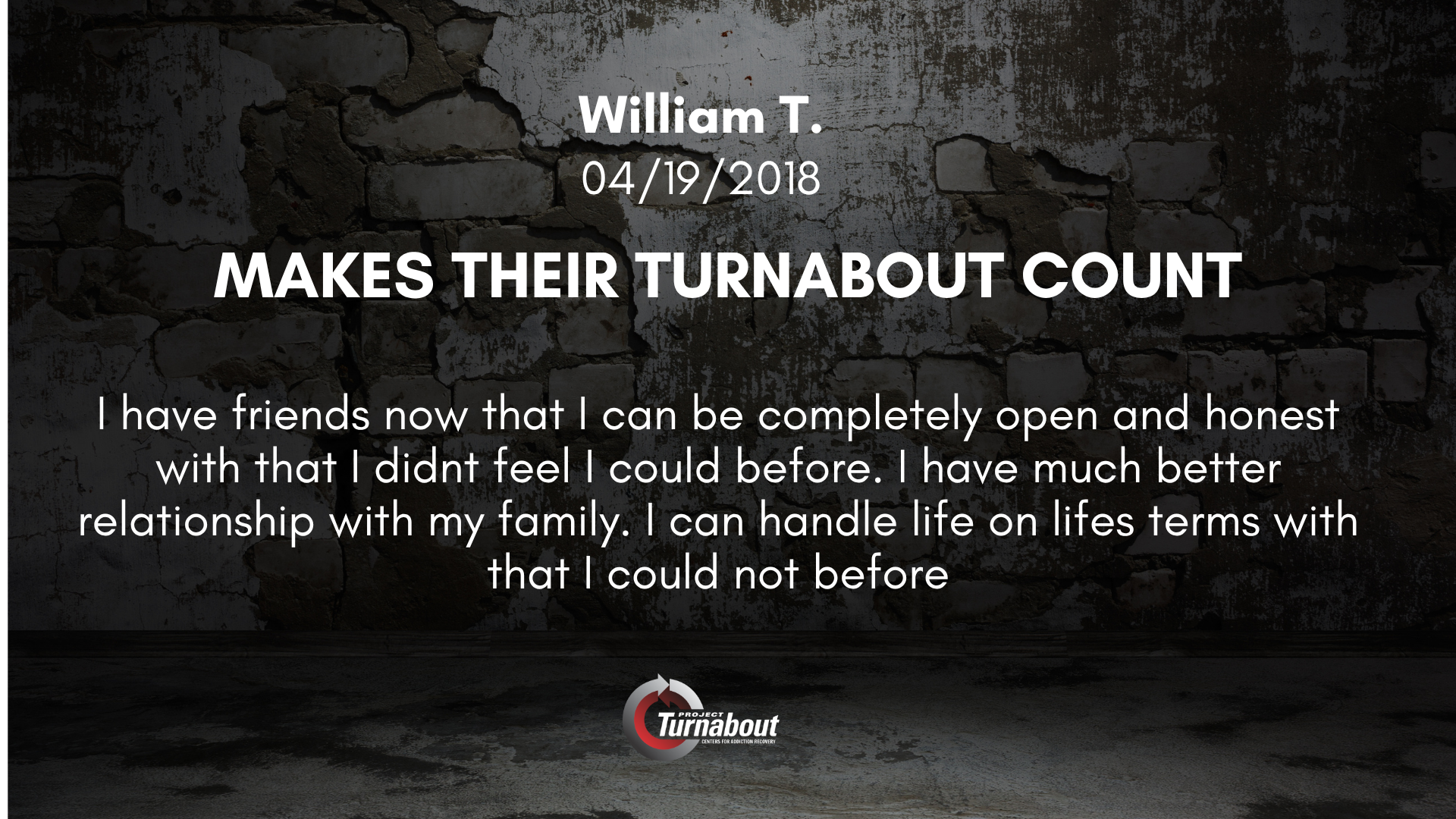
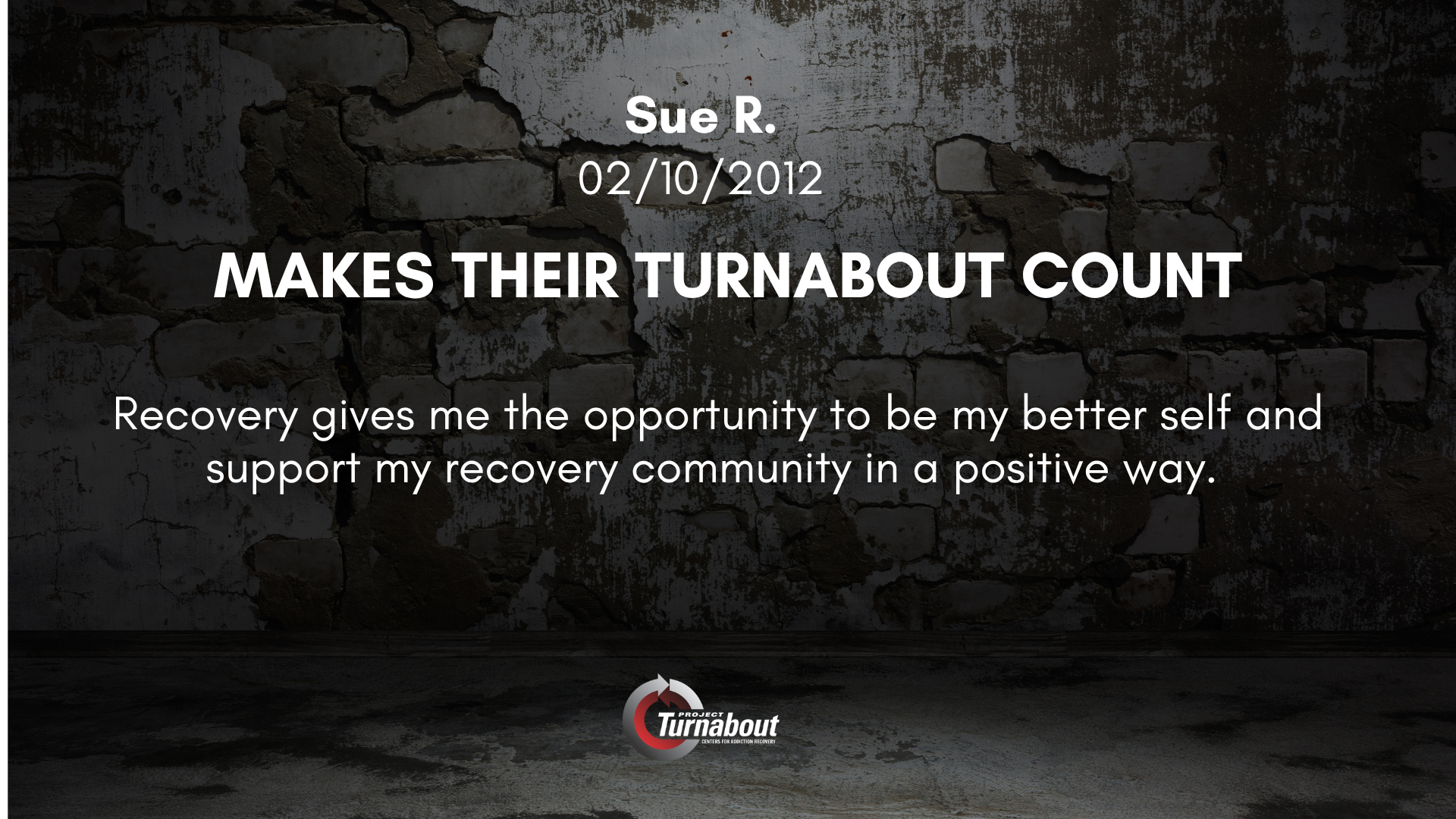
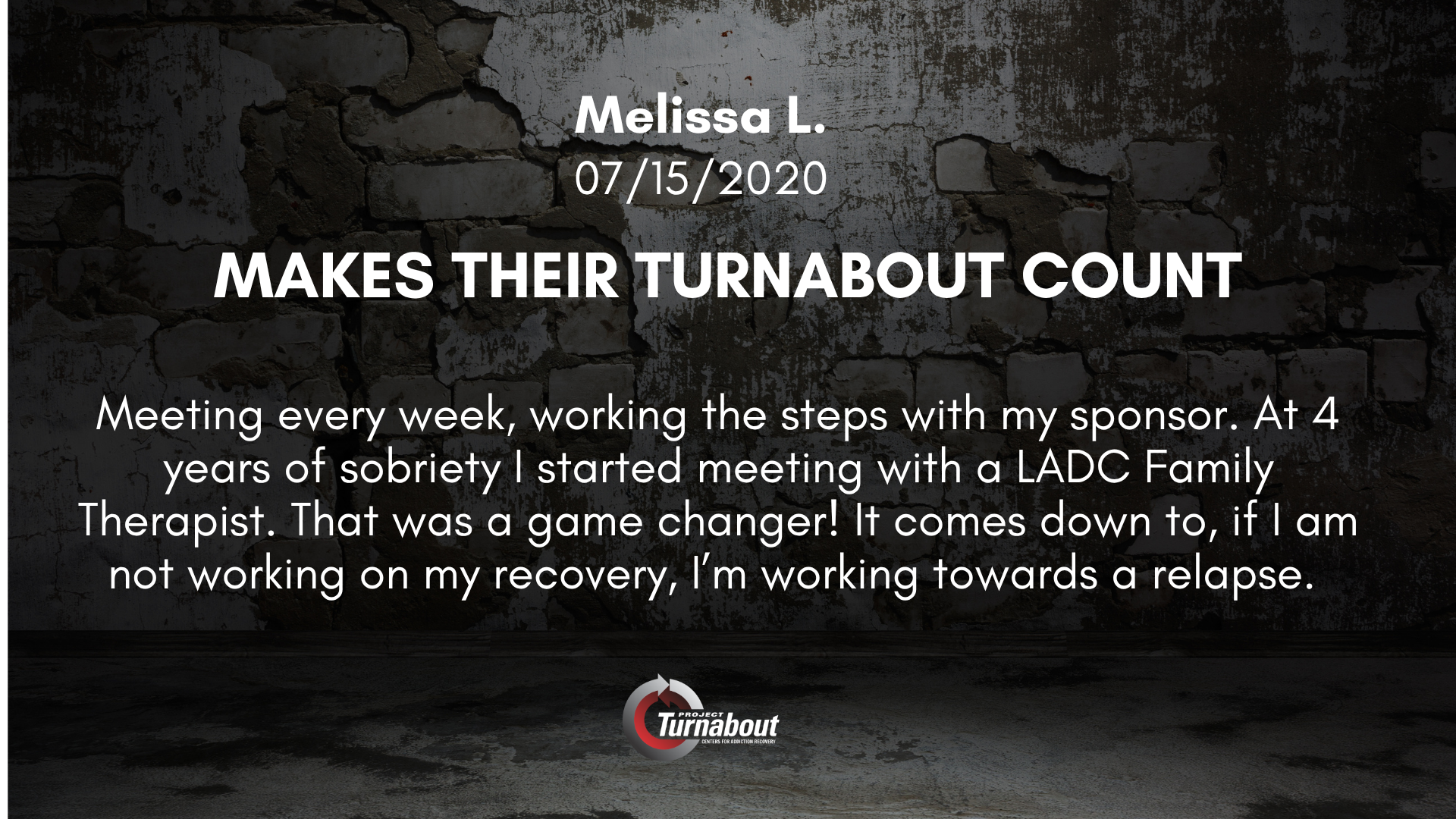
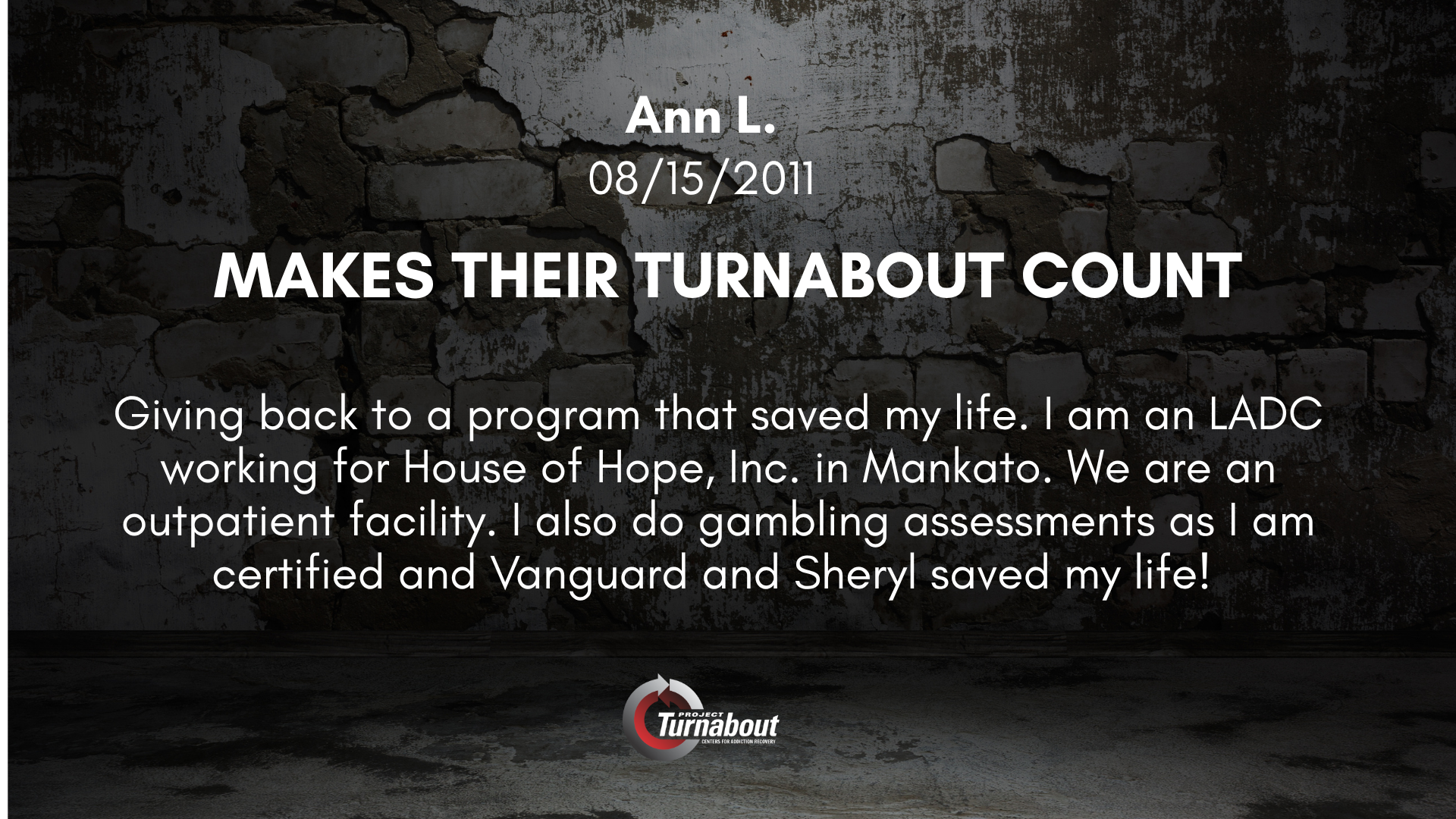
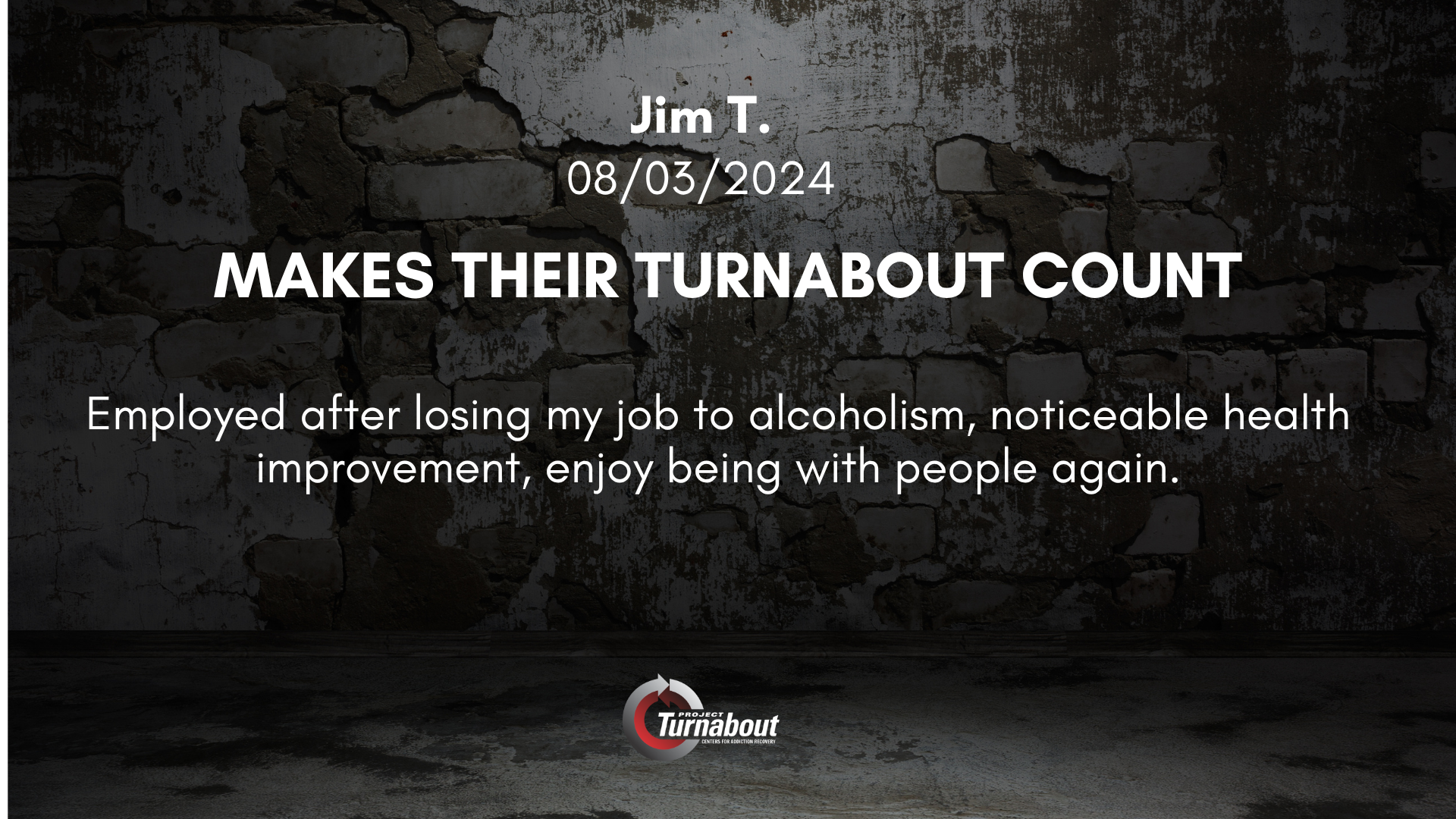
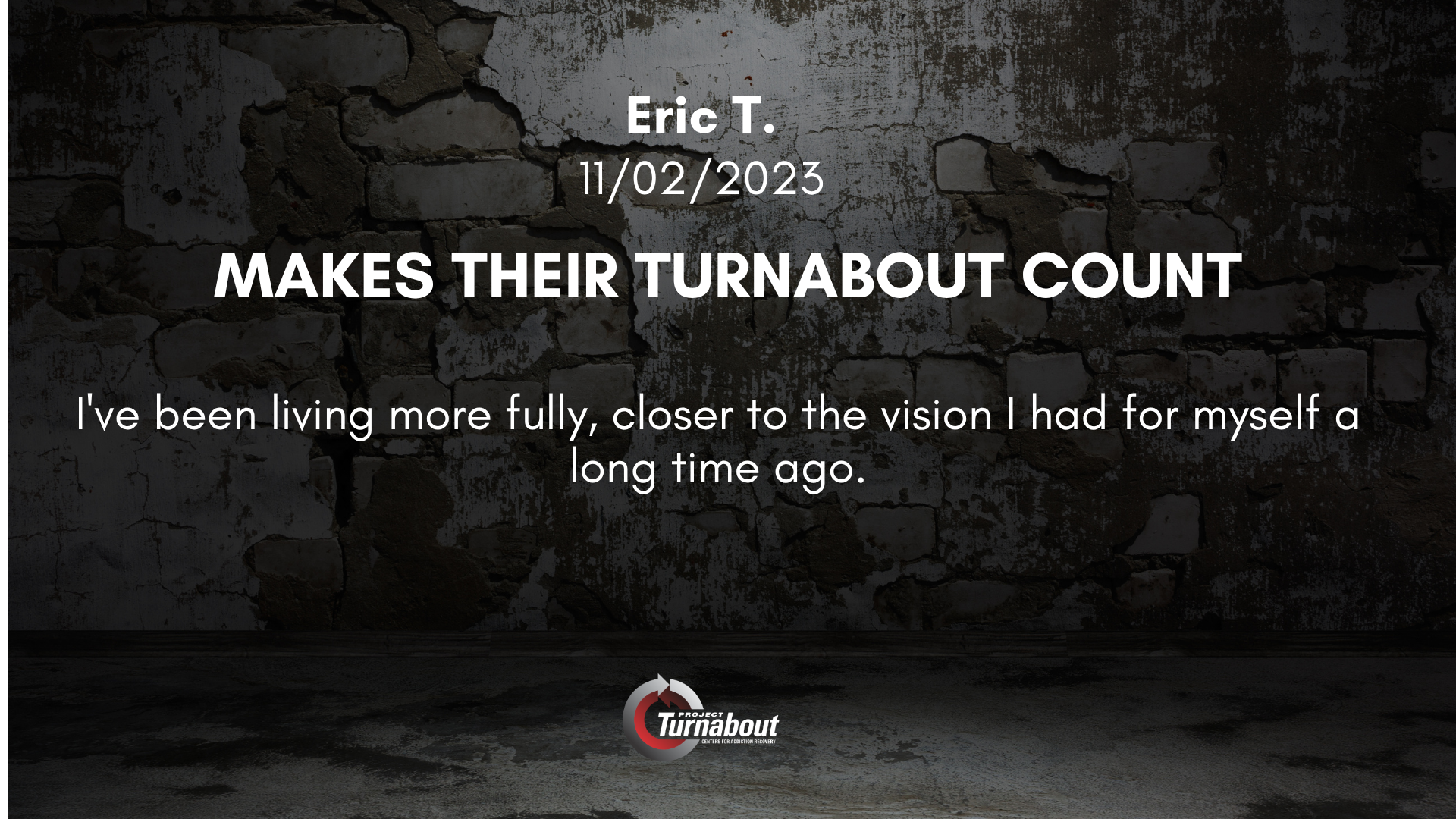
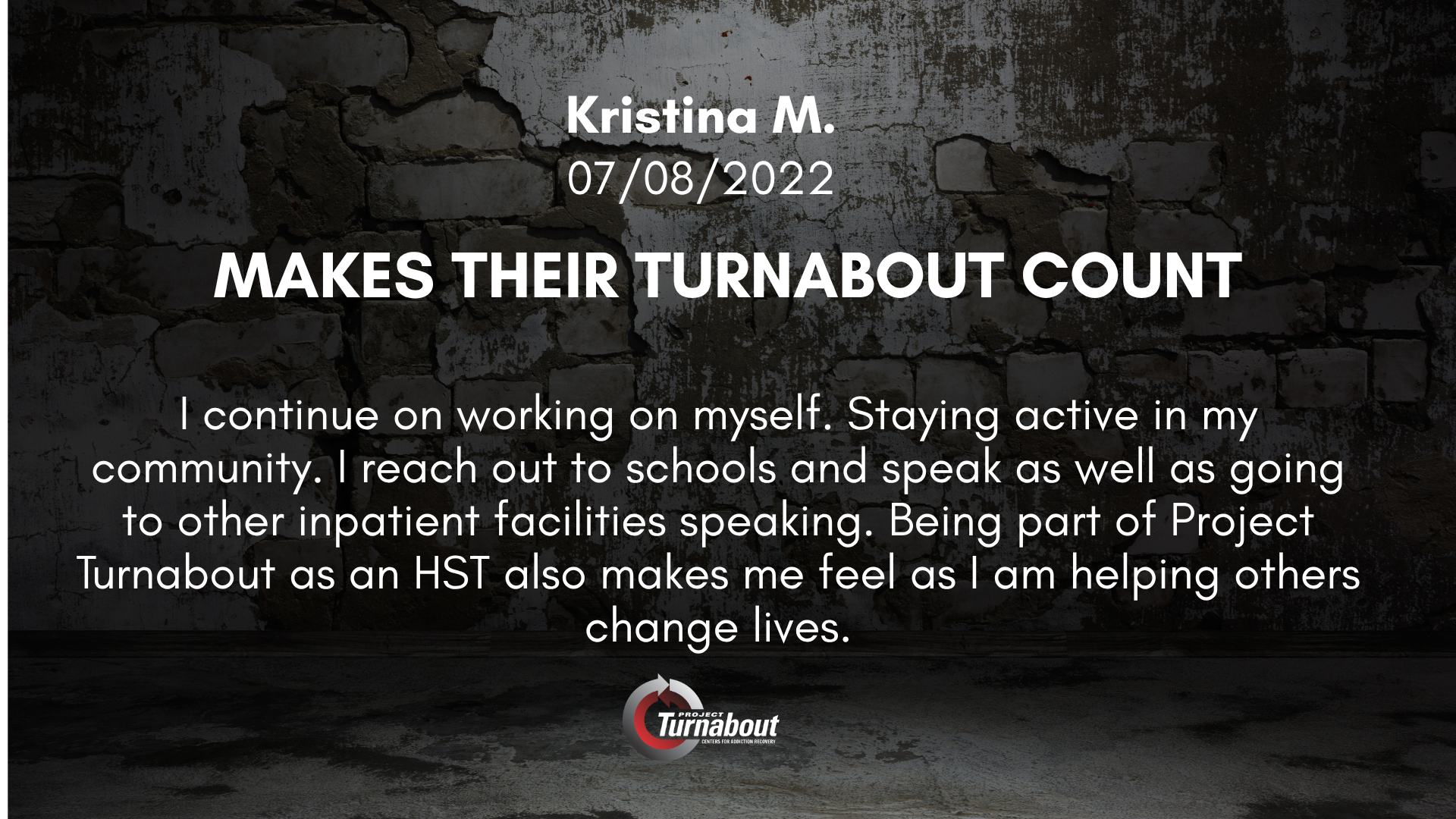
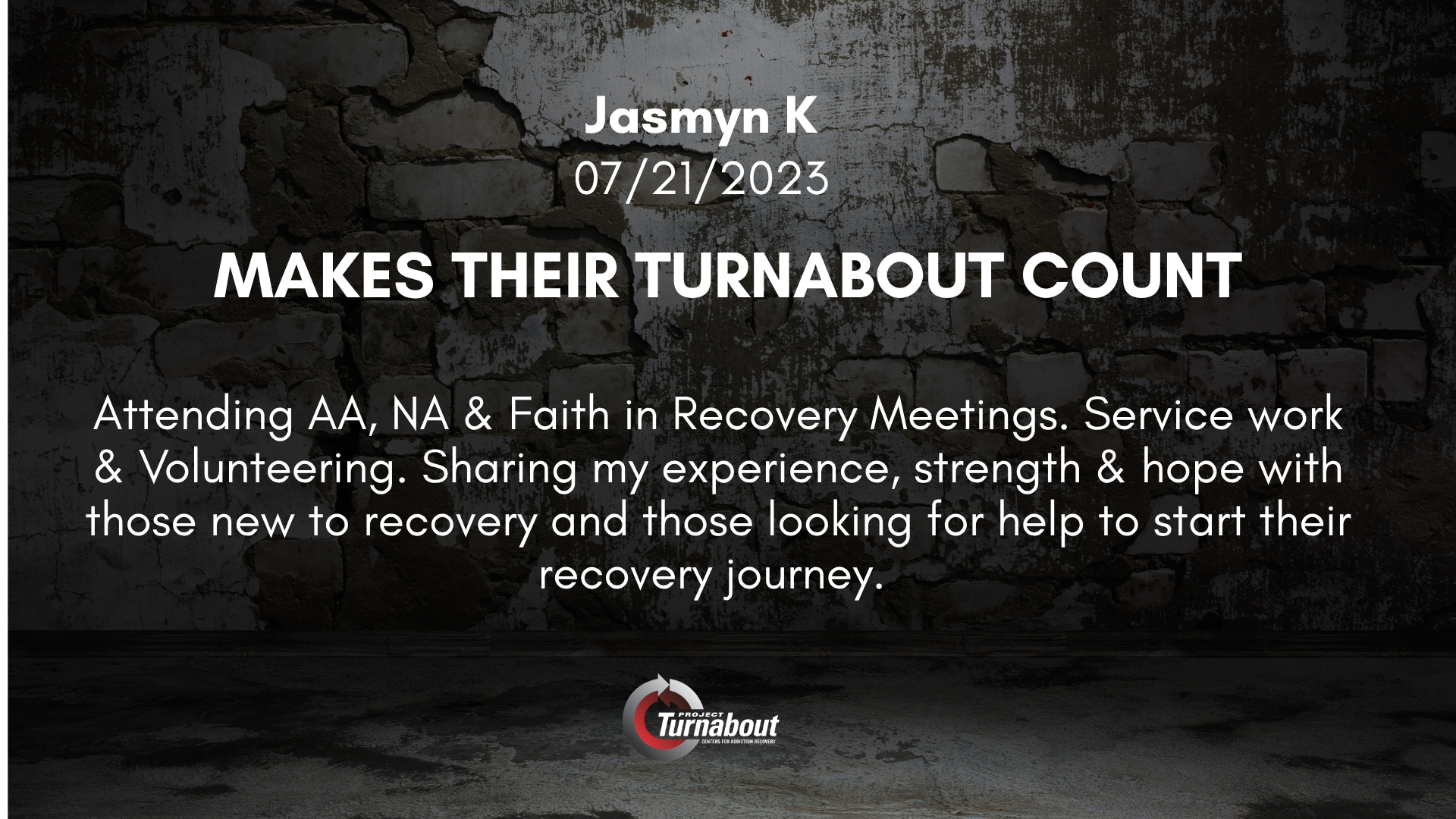
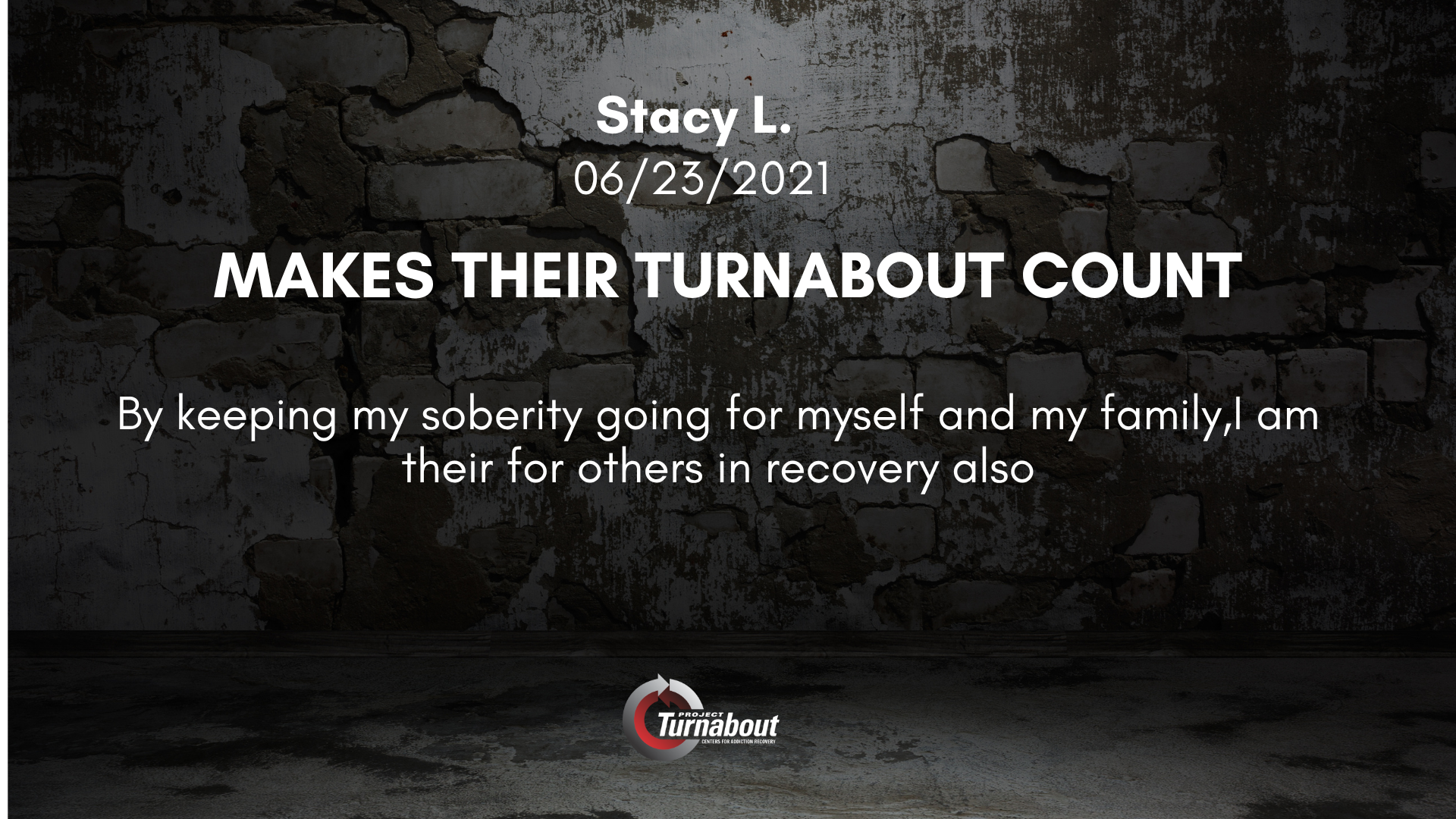
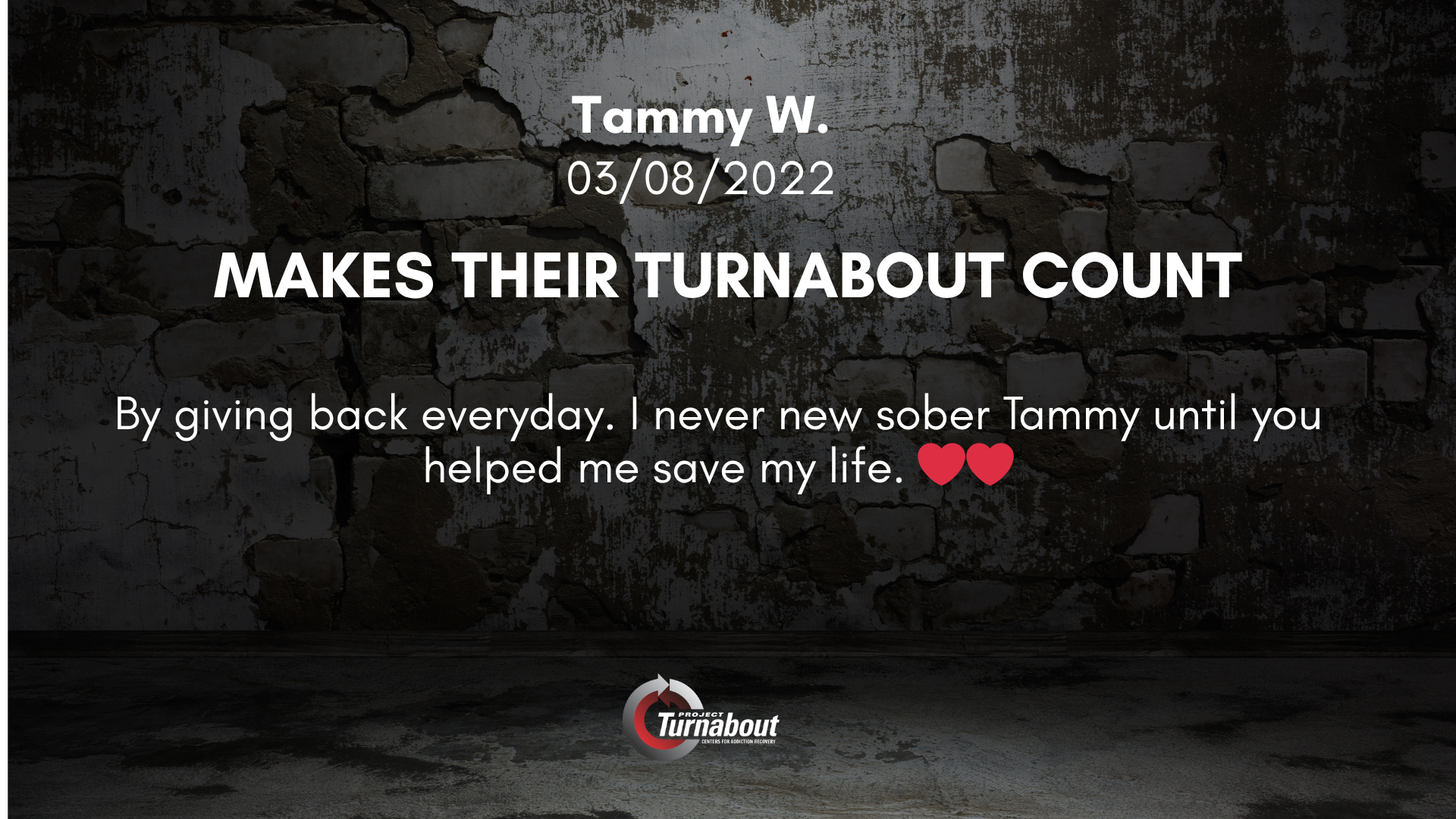
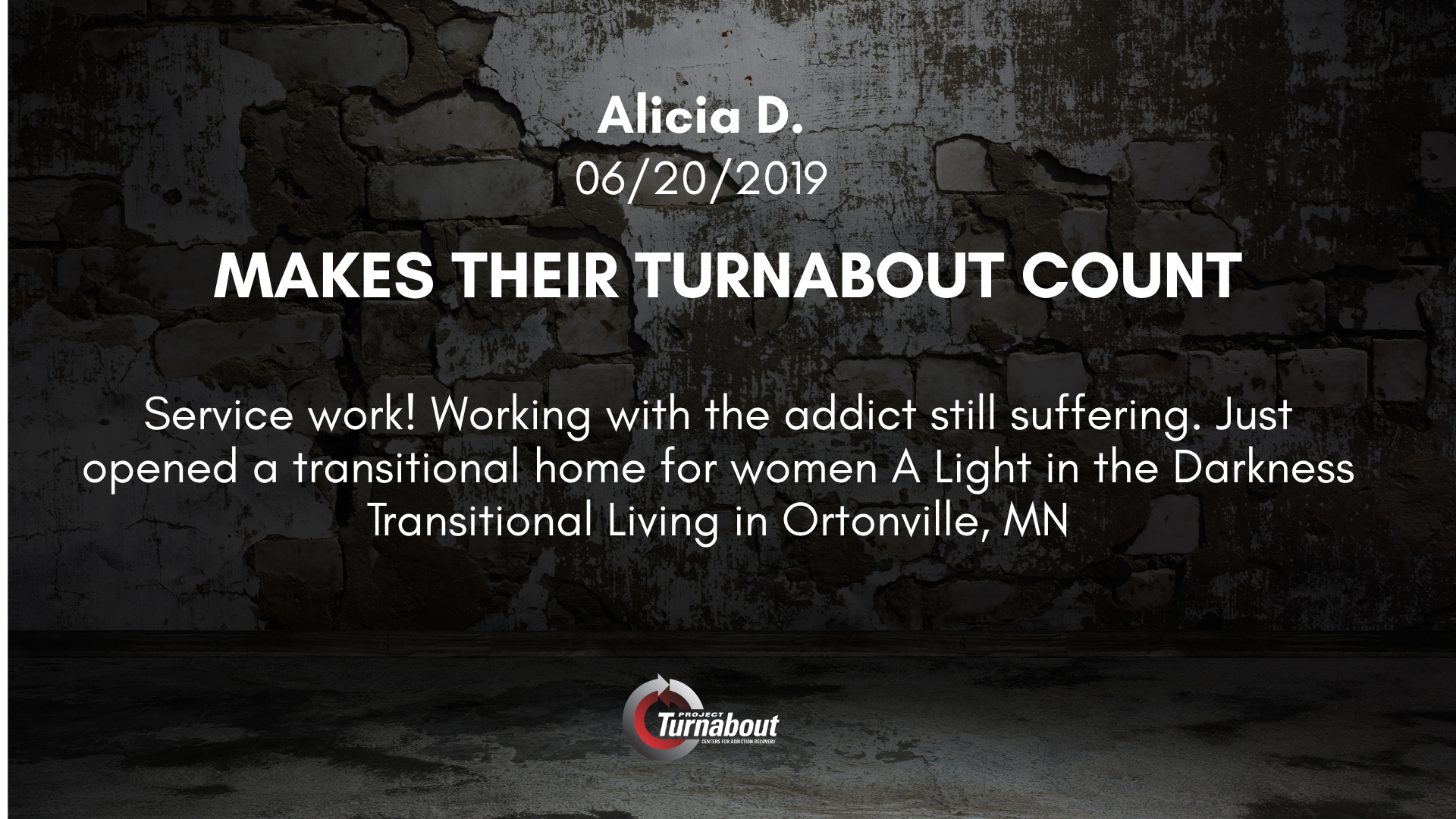
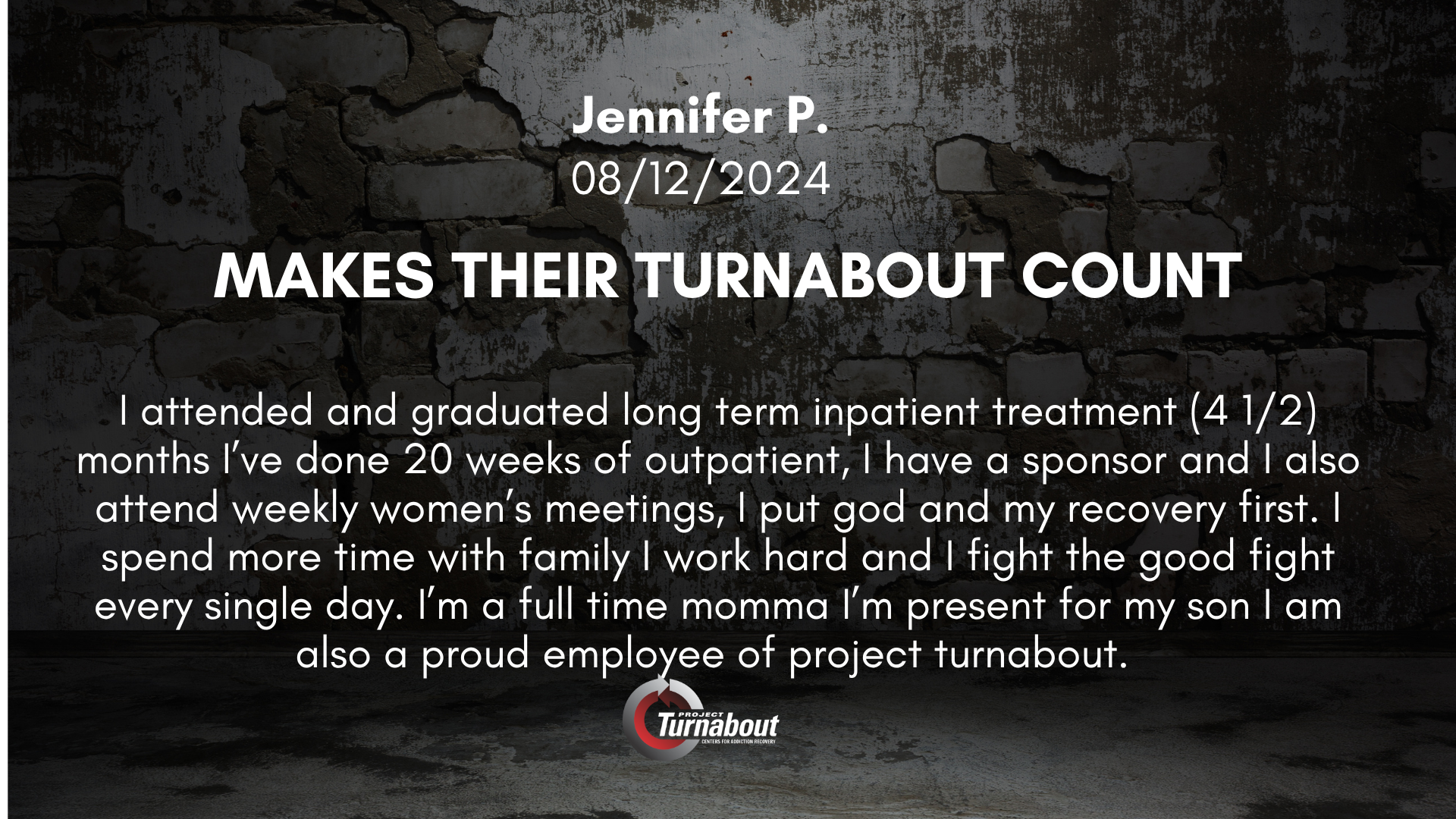
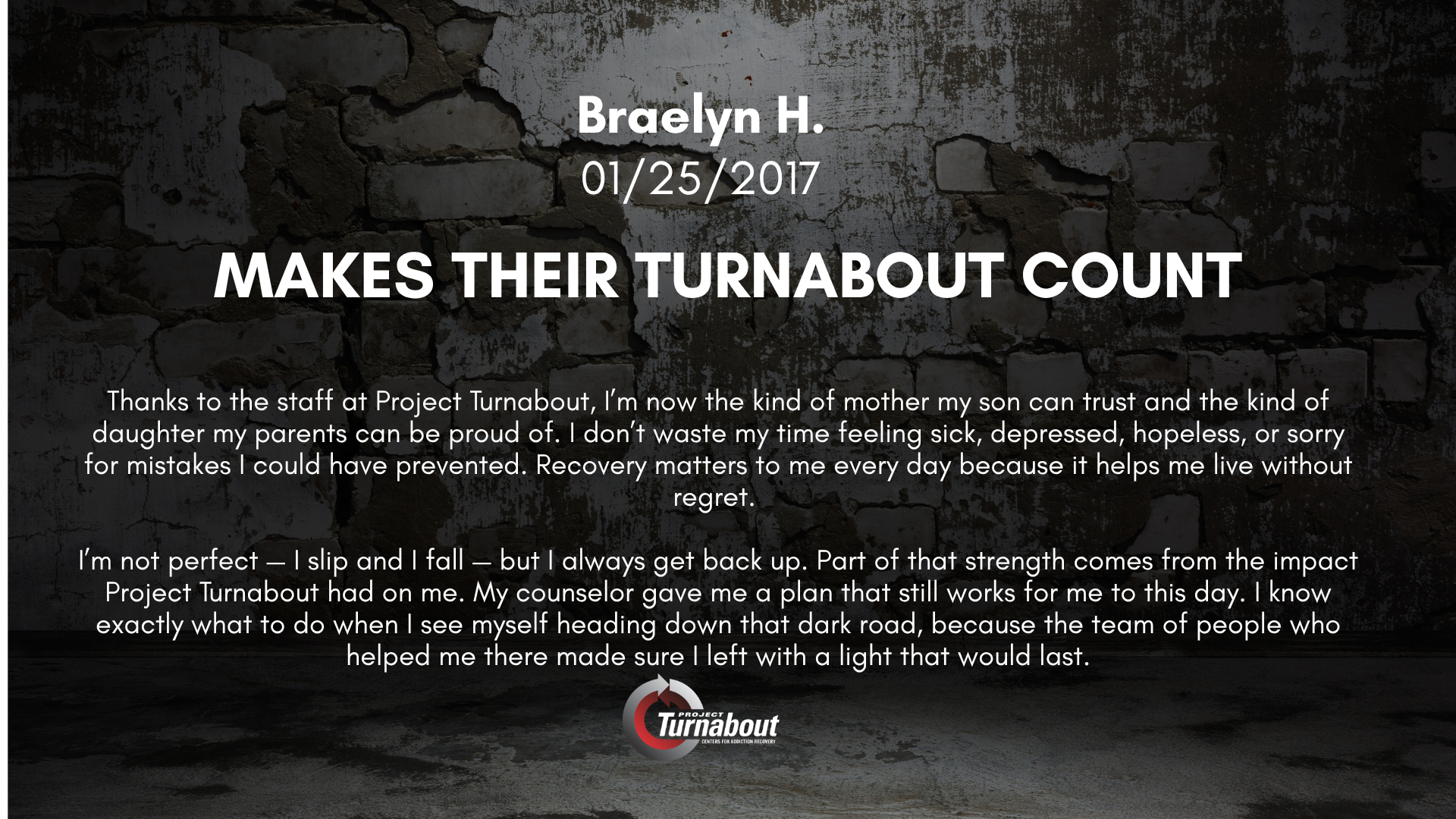
TESTIMONIES OF RECOVERY
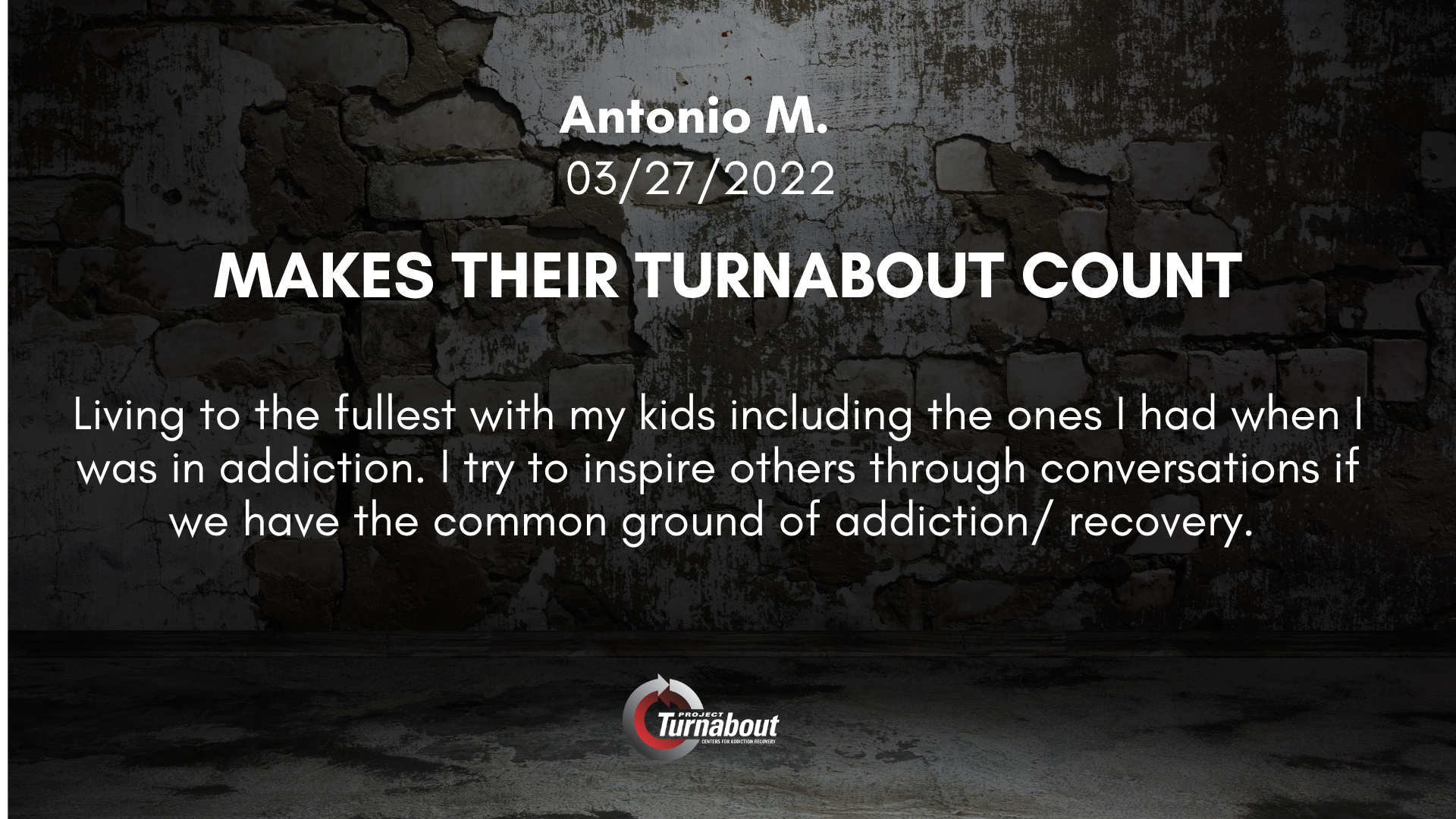
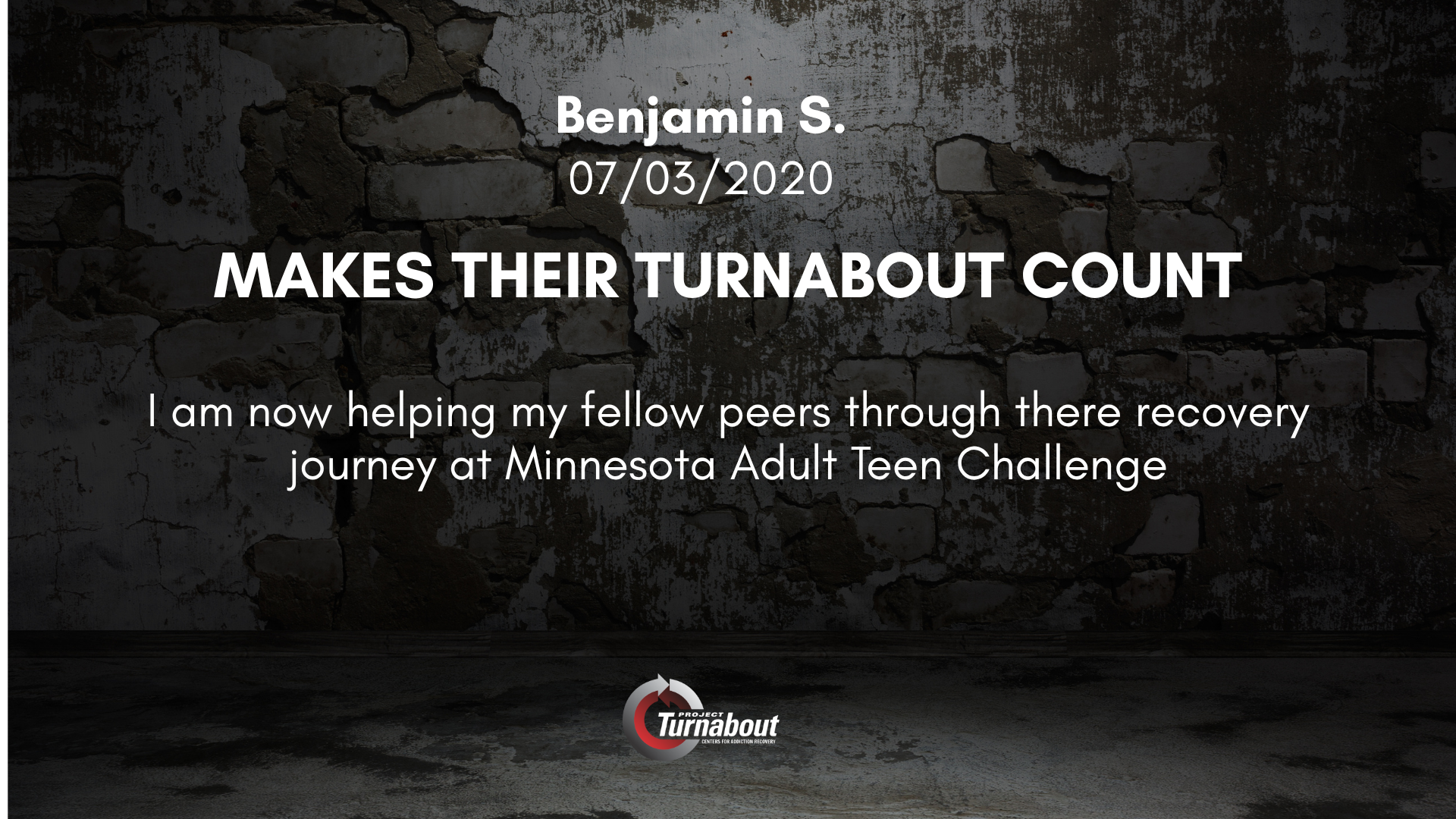
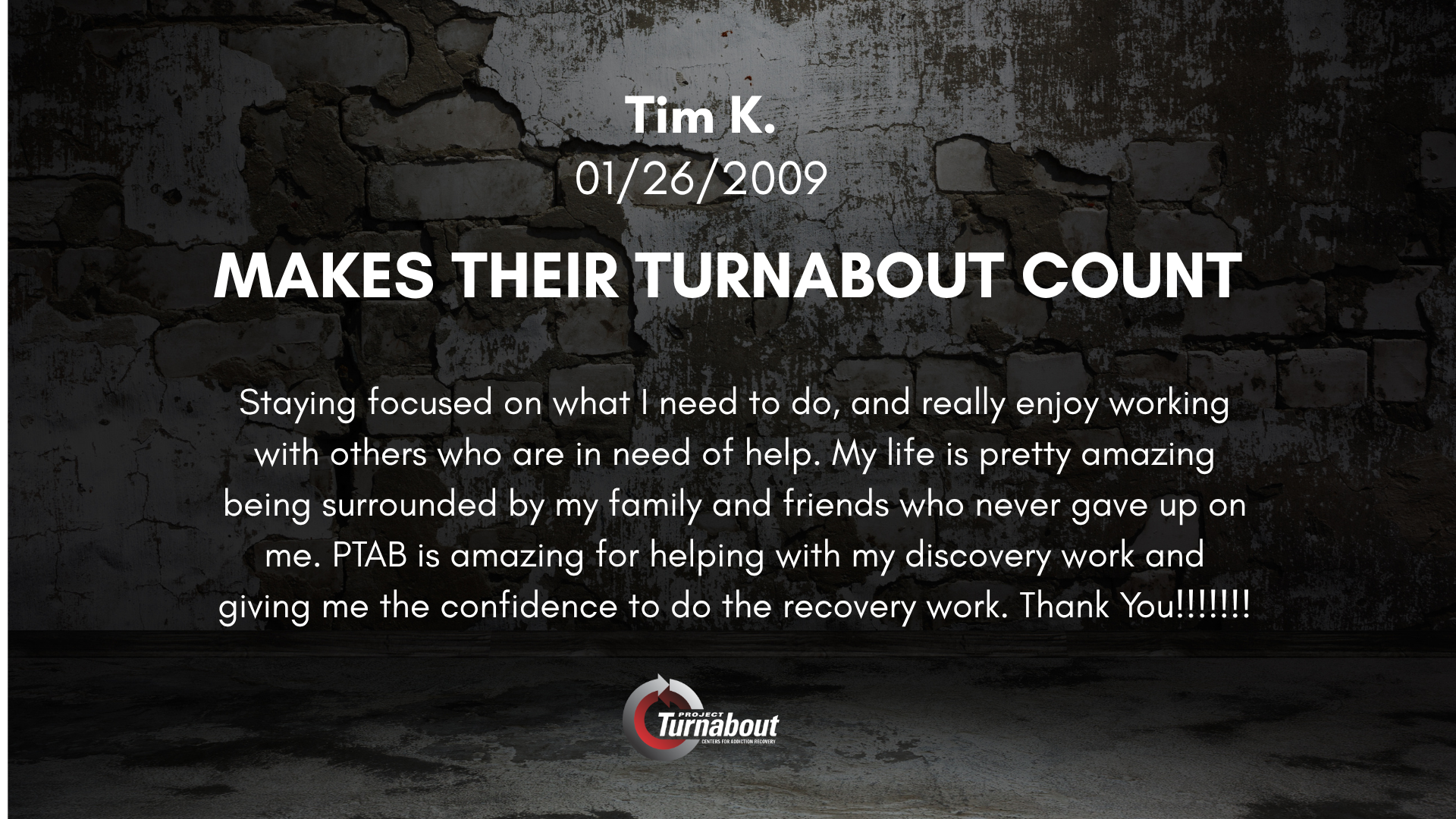
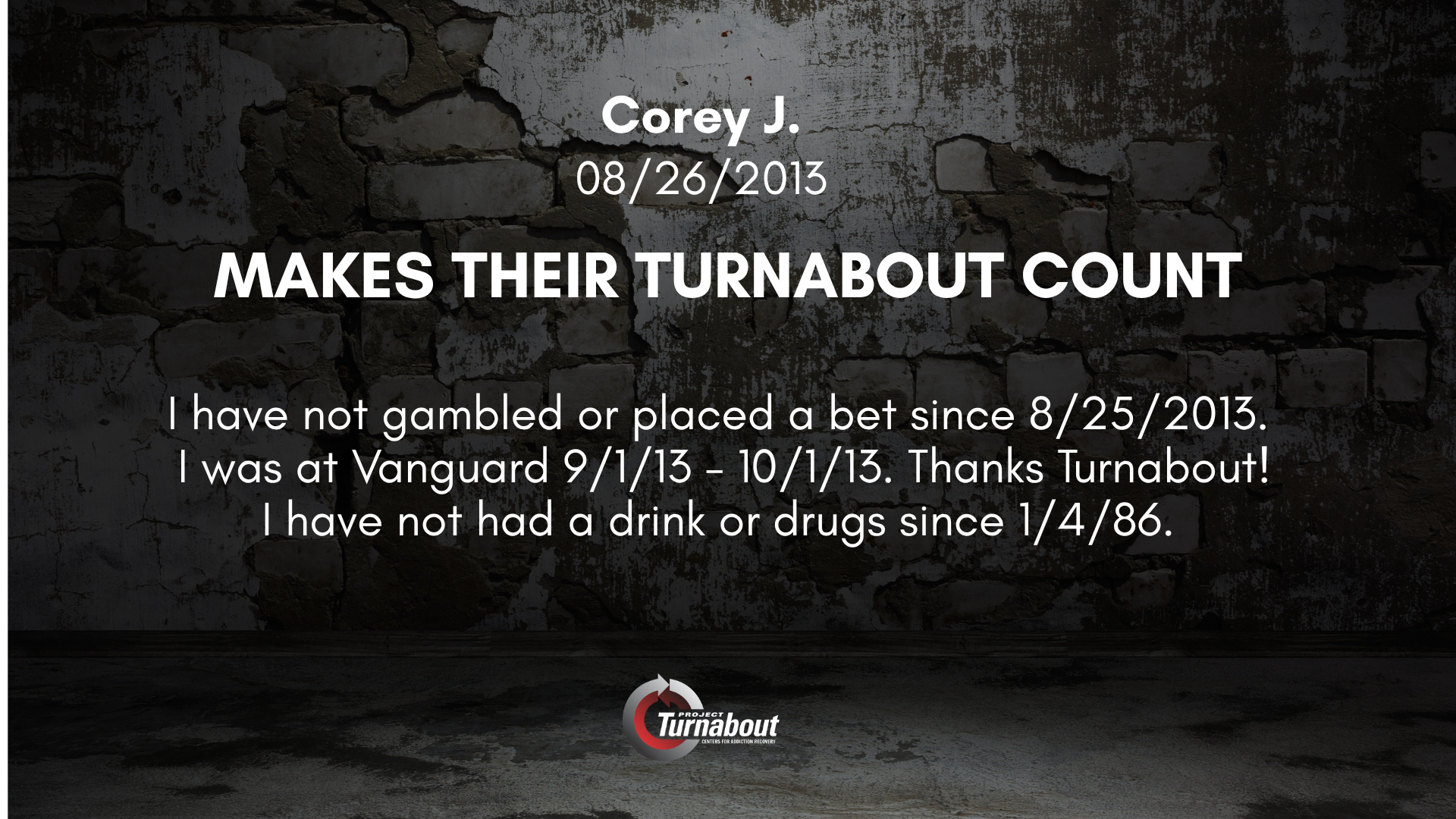
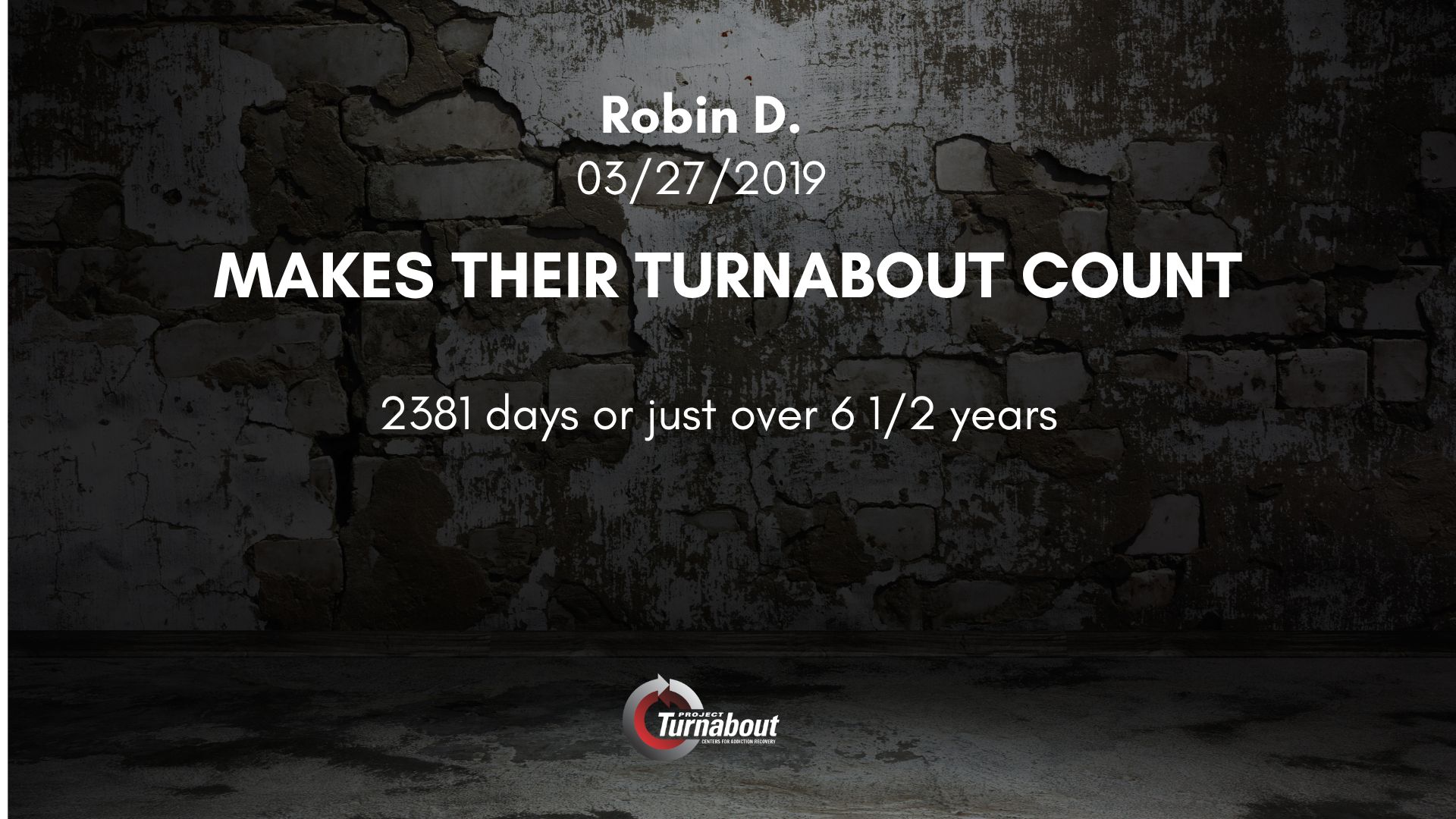
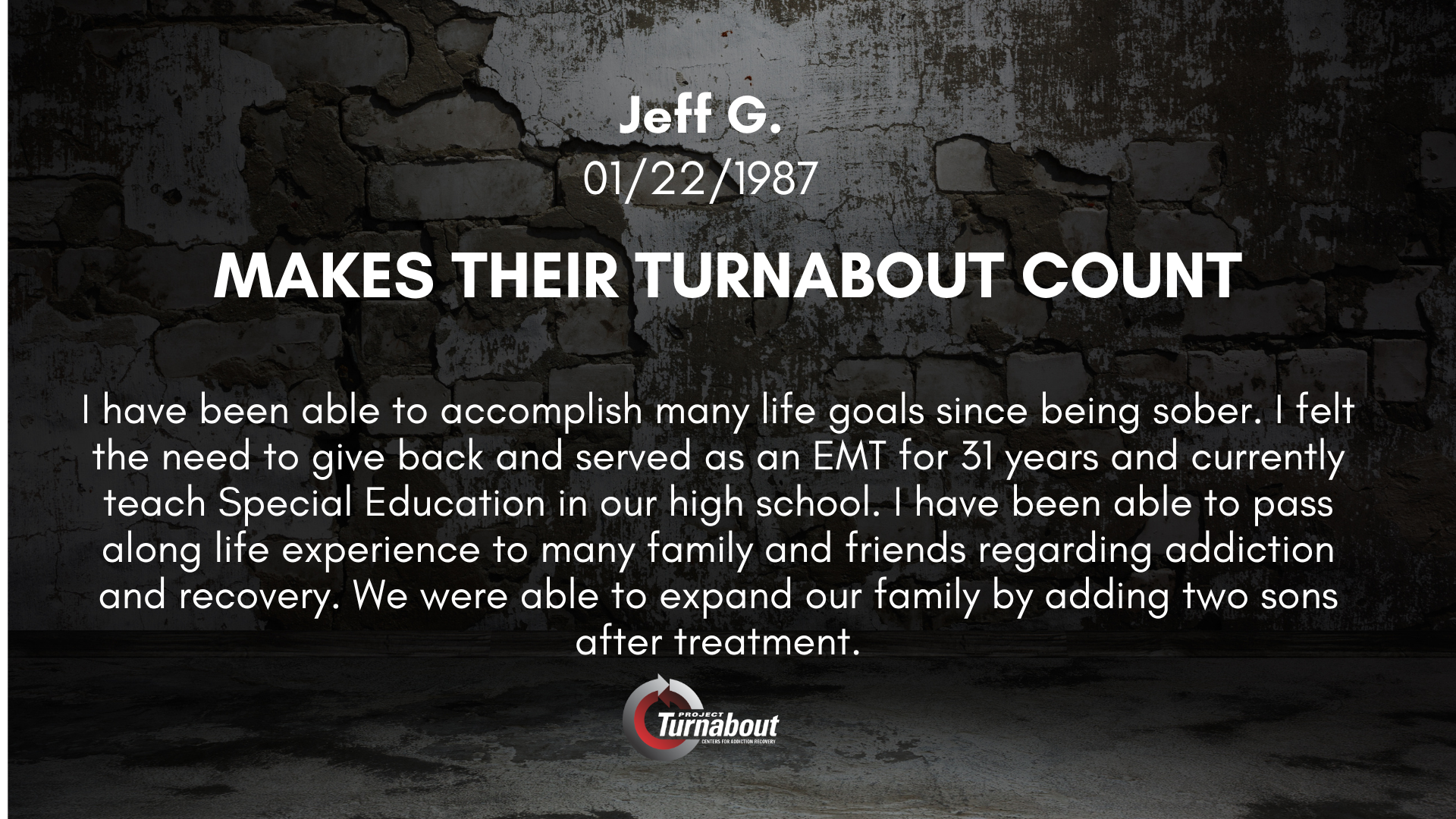
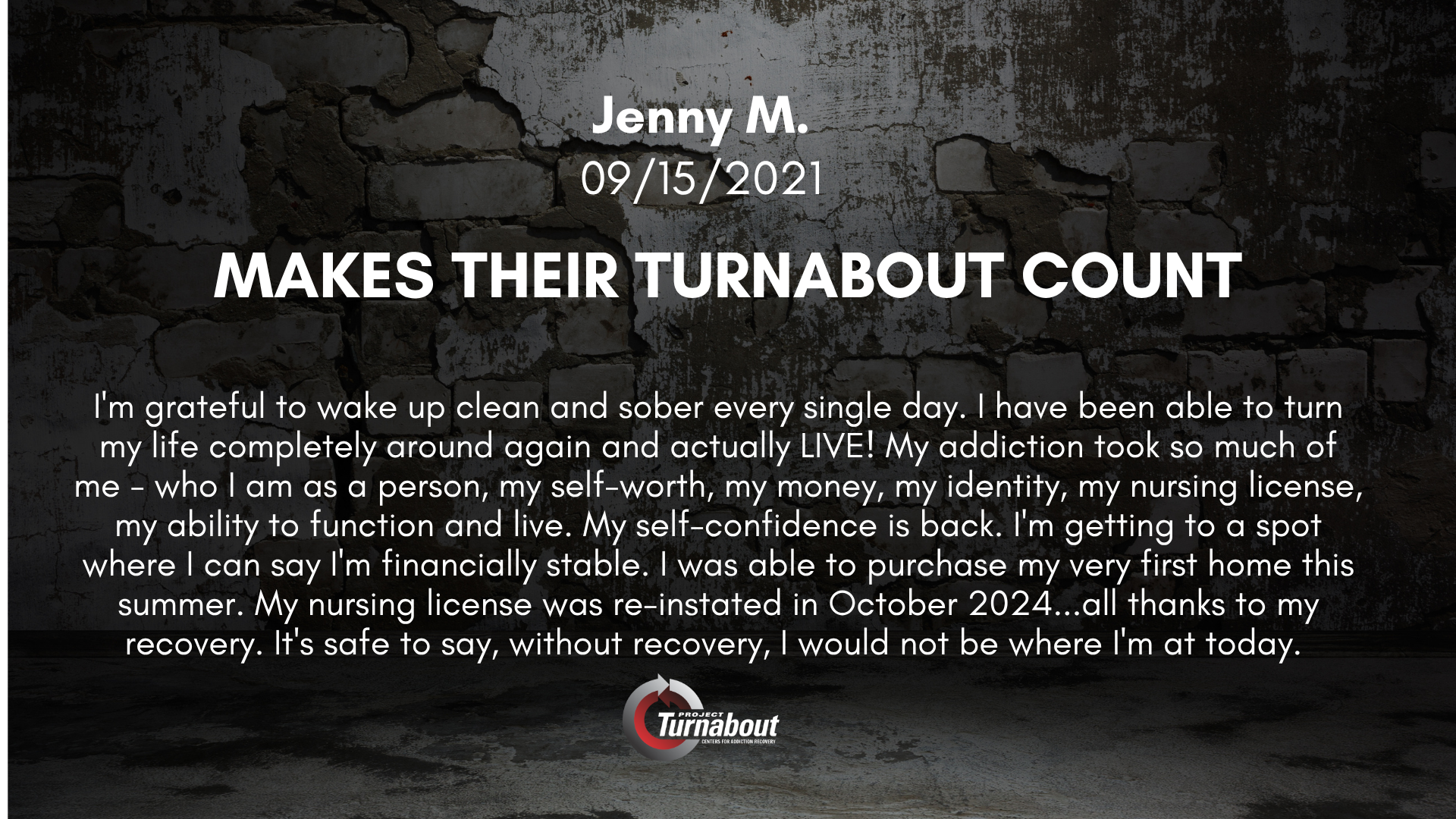
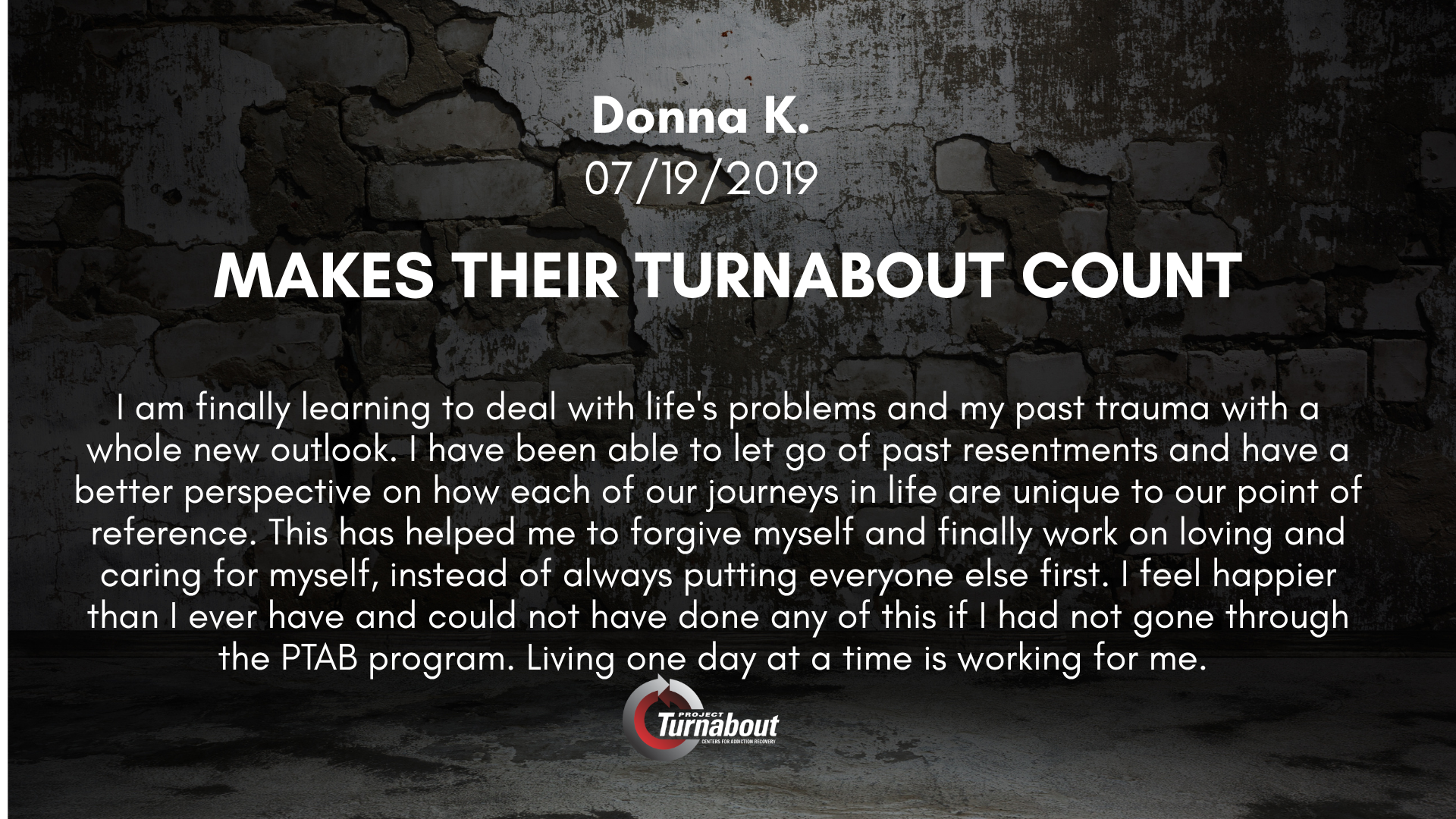
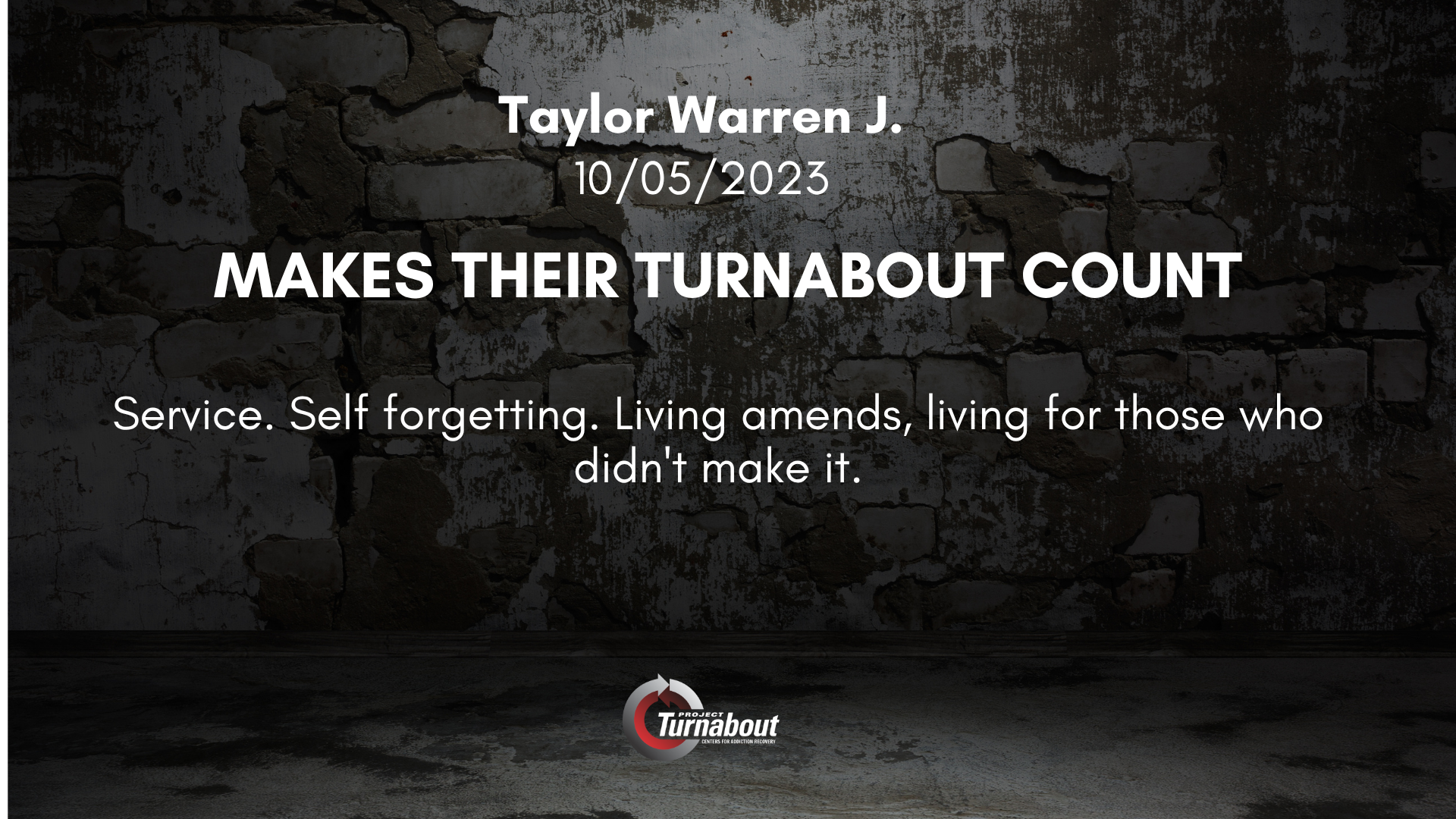
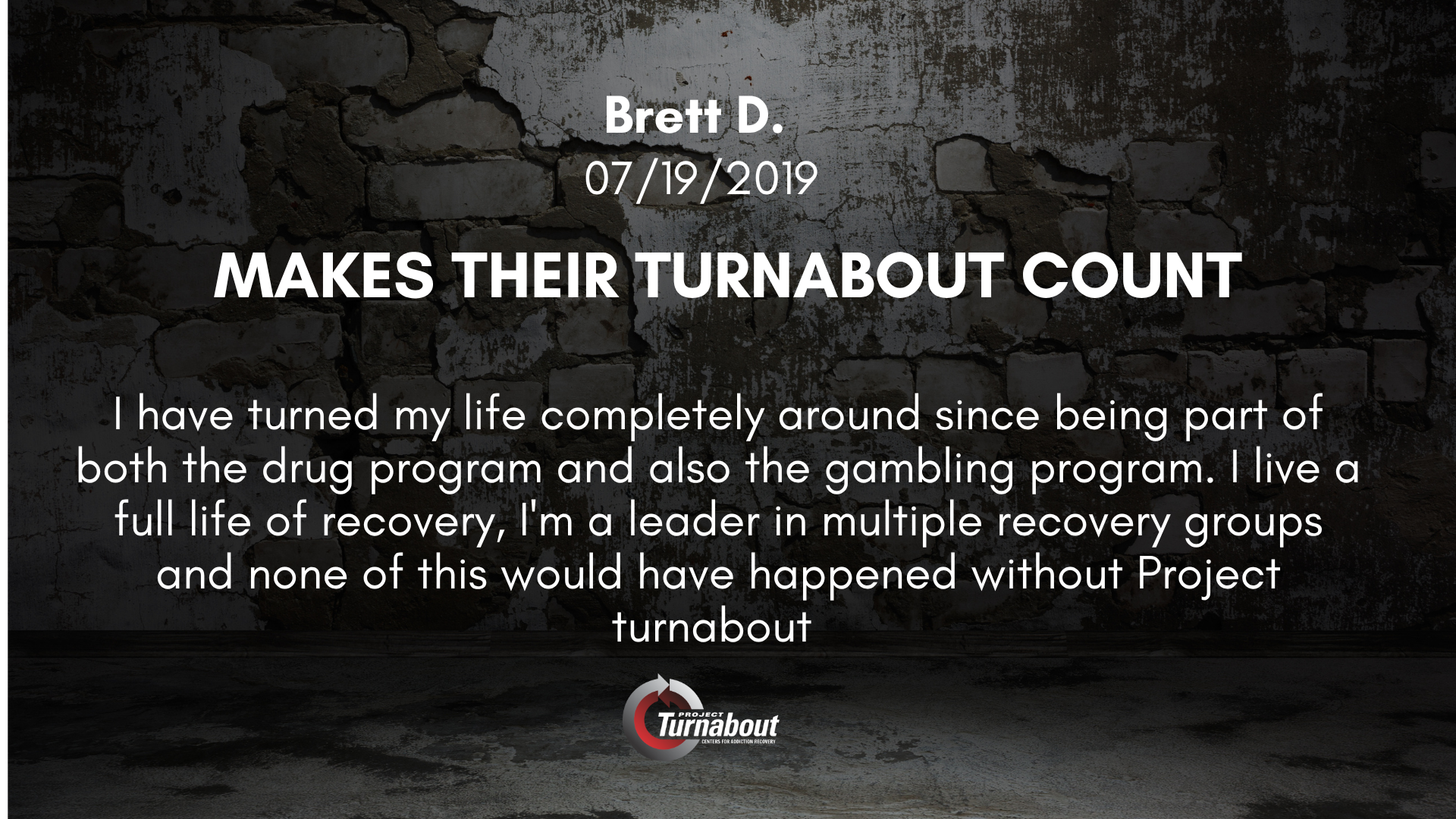
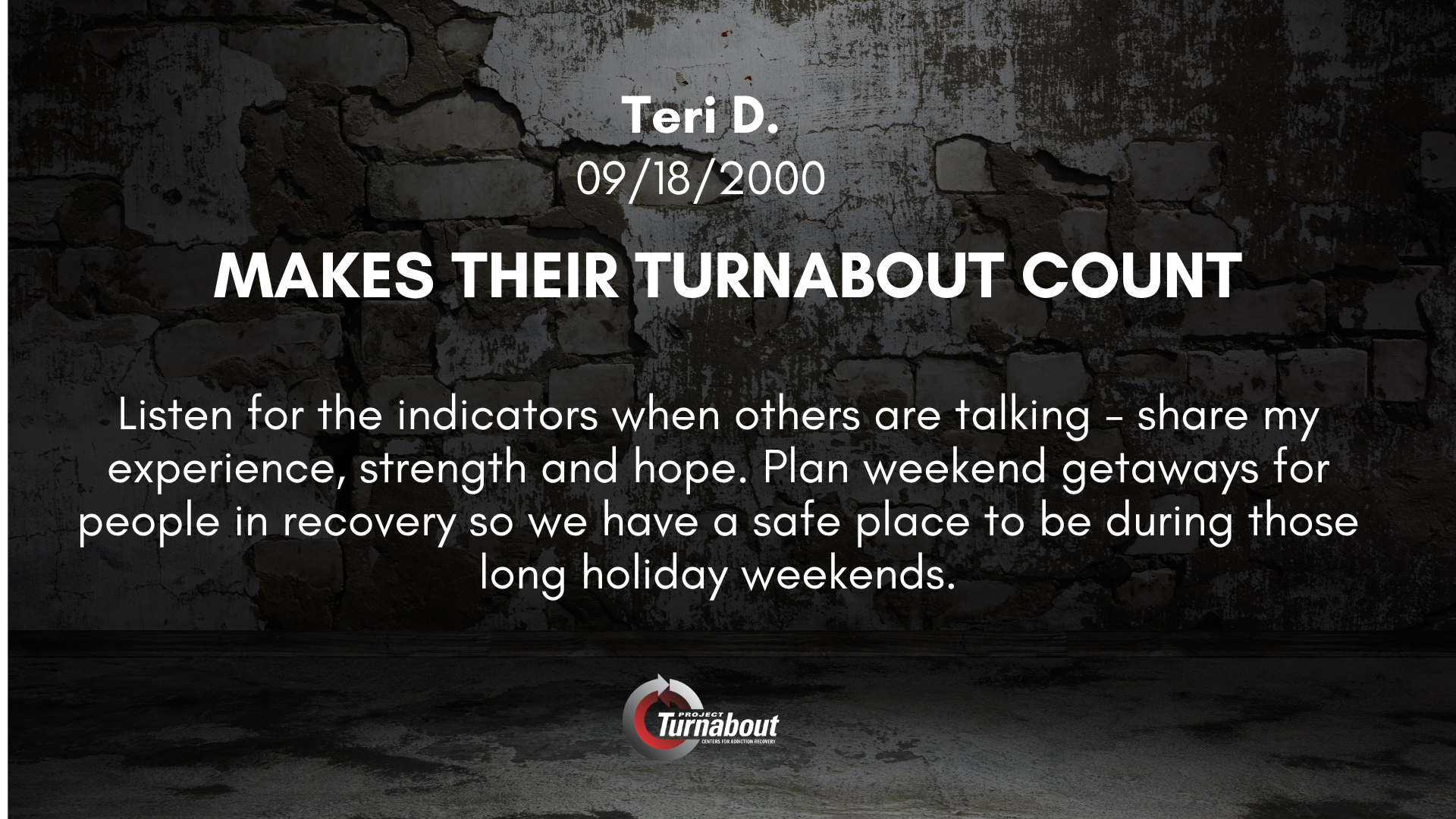
Every life touched by Project Turnabout is a story worth telling.