Peer Recovery Support: When Life Feels Overwhelming, We Walk With You
What Is a Peer Support Specialist?
Recovery is not just about stopping alcohol or drug use. It is about learning how to handle real life in a healthier way.
That is where a Peer Support Specialist comes in.
A Peer Support Specialist is someone who has lived experience with addiction and recovery. They have done the work themselves. Now they use that experience to support others.
They are not there to judge. They are there to walk beside you.
What Does a Peer Support Specialist Do?
Peer Support Specialists help in real, practical ways.
They may:
- Share their own recovery story to offer hope
- Help you build a daily routine
- Check in when you feel stressed or overwhelmed
- Encourage you during hard days
- Help you plan for triggers or high-risk situations
They focus on everyday support, not just what happens in a counseling session.
Available 24/7 for Recovery Support
At our program, Peer Support Specialists are available by phone 24 hours a day, 7 days a week for recovery support.
That means you are not alone at night, on weekends, or during a crisis.
If you are feeling overwhelmed, tempted, anxious, or unsure what to do, you can call.
Sometimes just talking to someone who understands makes all the difference.
Real-Life Support for Real-Life Stress
Recovery does not happen in a bubble. Life keeps moving.
Our Peer Support Specialists can help with things like:
- Managing an overwhelming schedule
- Going with you to the DMV
- Talking through stressful situations
- Supporting you when dealing with CPS
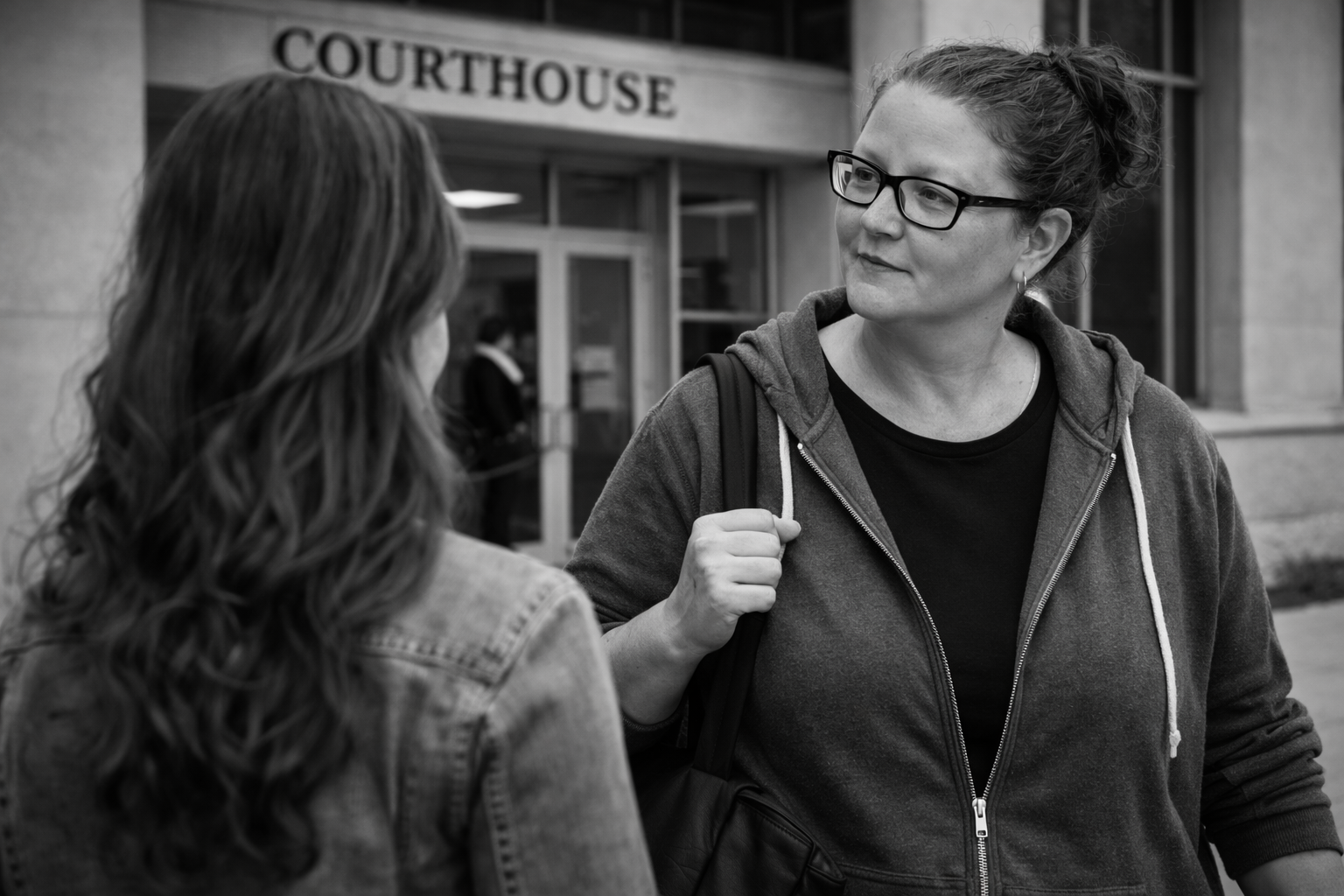
- Helping you prepare for court
- Navigating paperwork and appointments
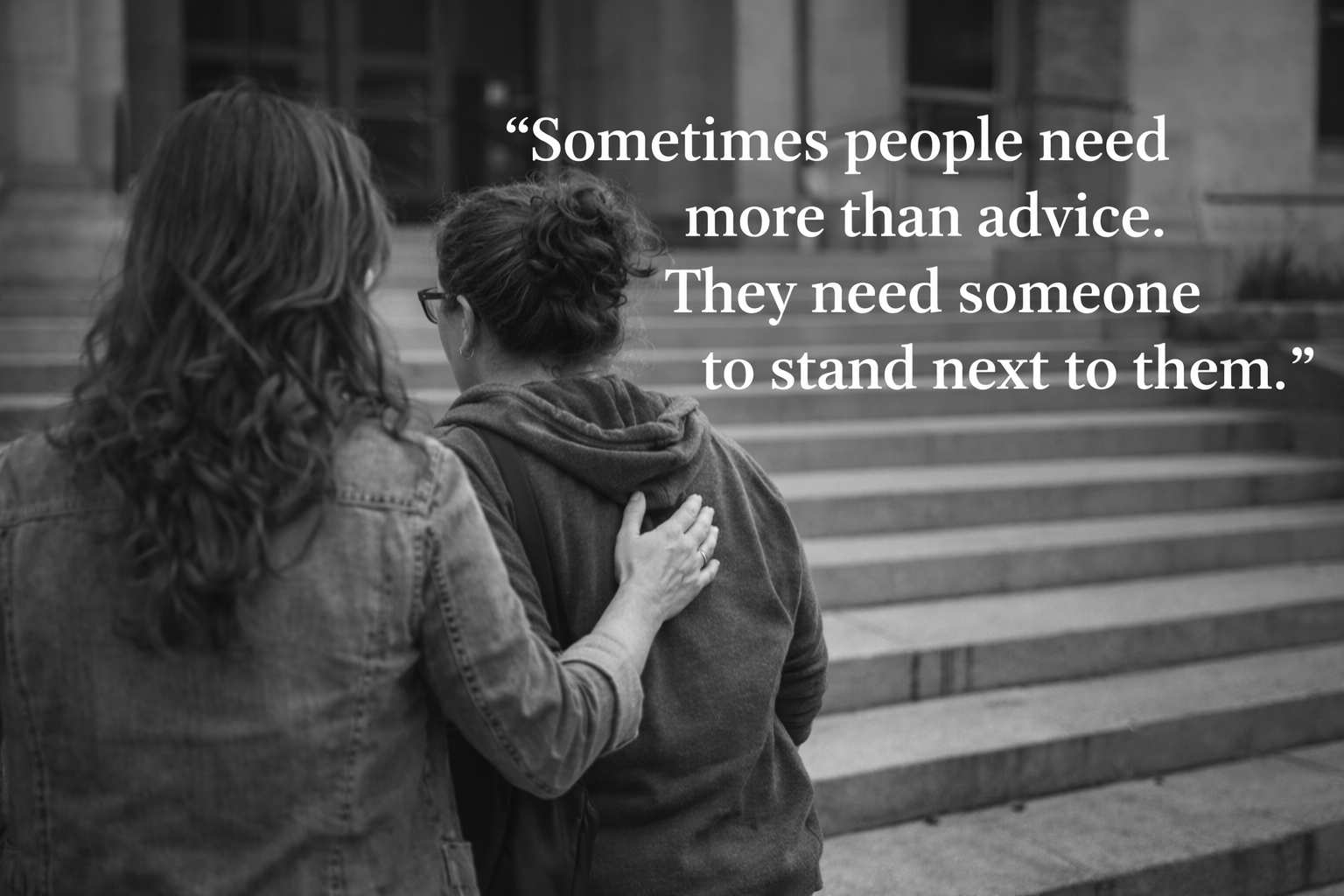
Sometimes people need more than advice. They need someone to stand next to them.
Peer support often means “hand holding” through stressful moments so you do not shut down or give up.
How Is a Peer Support Specialist Different From a Counselor?
- A Licensed Counselor provides clinical treatment. They guide therapy, assess progress, and build treatment plans.
- A Peer Support Specialist focuses on lived experience and practical support.
- They understand recovery because they have lived it.
- Both roles matter. They work together to support your recovery from different angles.
Who Is Peer Support For?
Peer support is helpful for people who:
- Are new to recovery
- Feel nervous about life changes
- Need extra accountability
- Feel overwhelmed by appointments or responsibilities
- Want someone who truly understands what early recovery feels like
You do not need to be in crisis to use peer support. It is there to help you stay steady.
You Do Not Have To Do This Alone
Recovery can feel hard. Life can feel hard.
A Peer Support Specialist offers steady encouragement, real-world help, and hope grounded in experience.
Sometimes the most powerful words are simple:
“I’ve been there. Let’s walk through this together.”