Project Turnabout's Commitment to Affordable Care
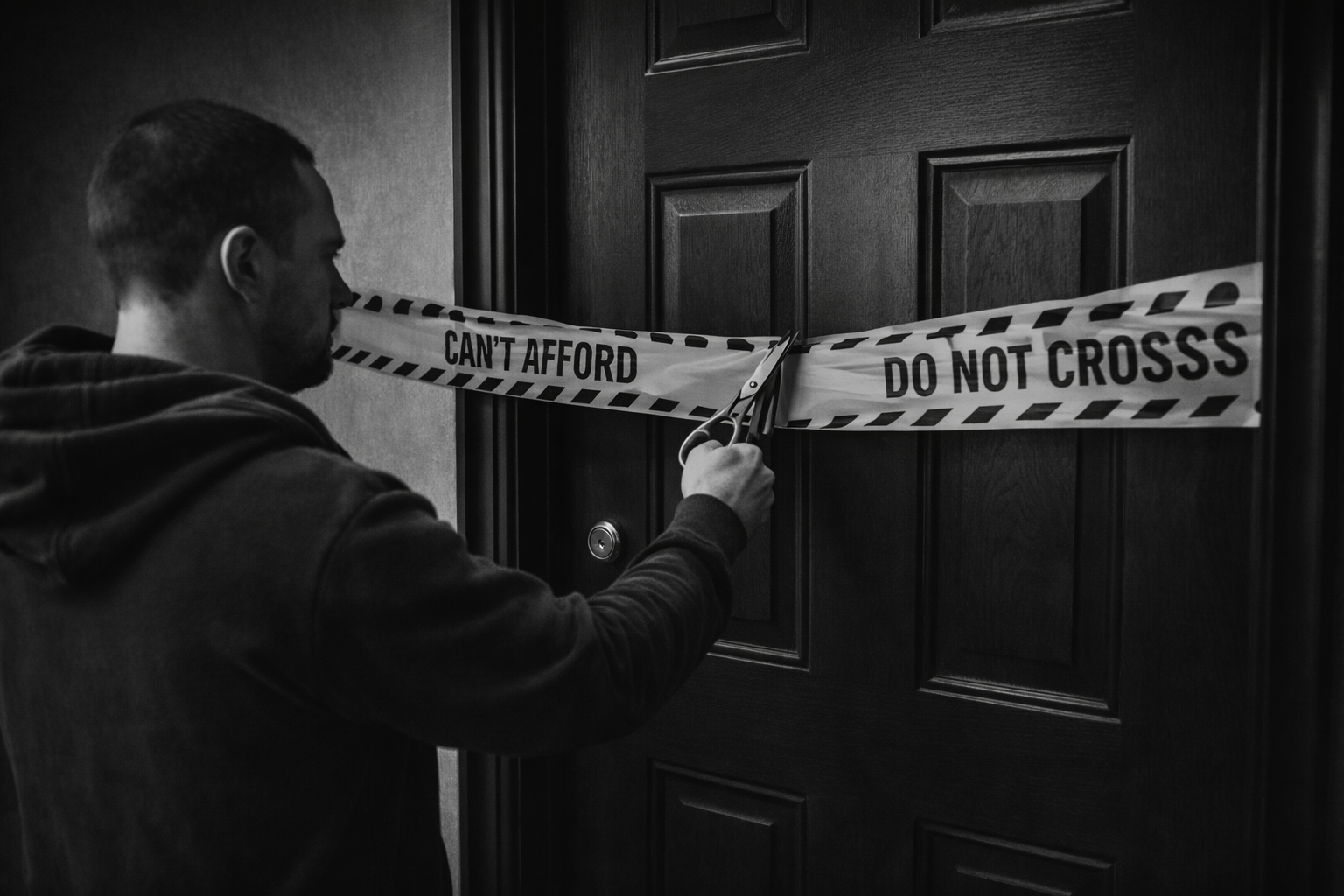
Needing treatment is hard enough. Worrying about how to pay for it should not be what stops someone from getting help.
At Project Turnabout, affordability is not an afterthought. It has been a core part of our mission since the beginning. As a nonprofit treatment provider, we work intentionally to reduce financial barriers so people can access care when they need it, not after a crisis worsens.
Why Affordable Care Matters in Recovery
Research consistently shows that delays in treatment increase medical risk, emotional strain, and long-term costs. When people postpone care due to financial fear, outcomes often worsen. Affordable, accessible treatment improves early engagement, continuity of care, and long-term recovery success.
That’s why Project Turnabout focuses on early access, transparent conversations, and individualized funding support rather than one-size-fits-all pricing.
How We Help Make Treatment Affordable
Project Turnabout works with a wide range of funding sources and payment options. Our goal is to help each person understand what coverage may be available and what options exist for their specific situation.
Insurance Coverage
We work with many insurance providers, including both in-network and out-of-network plans. Patient Funding Coordinators help verify benefits, explain coverage, identify co-pays, and clarify admission requirements so there are no surprises.
Project Turnabout is:
- A licensed provider in the State of Minnesota
- A Preferred Provider for Blue Cross Blue Shield of Minnesota
- An Essential Community Provider
We also work with national HMOs and other insurance companies when coverage applies.
State Funding Options
As a licensed treatment provider, Project Turnabout accepts state funding through Minnesota Behavioral Health Funds (BHF) and Minnesota Health Care Programs (MHCP) when individuals are eligible. State funding may also be available for specific programs, including gambling recovery services through our Vanguard Center, depending on residency and eligibility.
Our team helps determine whether state funding may apply and guides people through that process.
Private Pay and Flexible Planning
For individuals without insurance or whose coverage does not fully meet their needs, private pay options are available. Patient Funding Coordinators work directly with individuals and families to discuss current rates and develop a personalized plan that feels manageable.
No two financial situations are the same. Conversations are confidential, respectful, and focused on problem-solving rather than pressure.
Patient Aid Funds and Scholarships
As a nonprofit organization, Project Turnabout reinvests resources into care and access. Patient Aid Funds are supported through donations and community giving and are used to help reduce financial barriers for those in need.
Available scholarship support may include:
- Caring & Sharing – supporting alcohol and drug recovery
- Another Chance for Life – supporting problem gambling recovery
- Native American Funds – supporting alcohol, drug, and gambling recovery
- Unrestricted Funds – applied where need is greatest
Availability varies, and funding coordinators help explore these options when appropriate.
You Don’t Have to Have It Figured Out
One of the most common misconceptions about treatment is that you need to know how you’ll pay before you call. You don’t.
Admissions and Patient Funding Coordinators are there to answer questions, explain options, and help you understand what is realistically possible. Reaching out does not commit you to treatment. It opens a conversation.
Affordable Care Is Part of Ethical Care
Keeping treatment affordable is not just about cost. It’s about access, dignity, and timing. At Project Turnabout, we believe people deserve clear information, real options, and support navigating the financial side of care.
Recovery should begin with help, not hesitation.
If you or someone you love is considering treatment, one conversation can help clarify coverage, funding options, and next steps.