Project Turnabout names Shelly Petrik as new clinical director
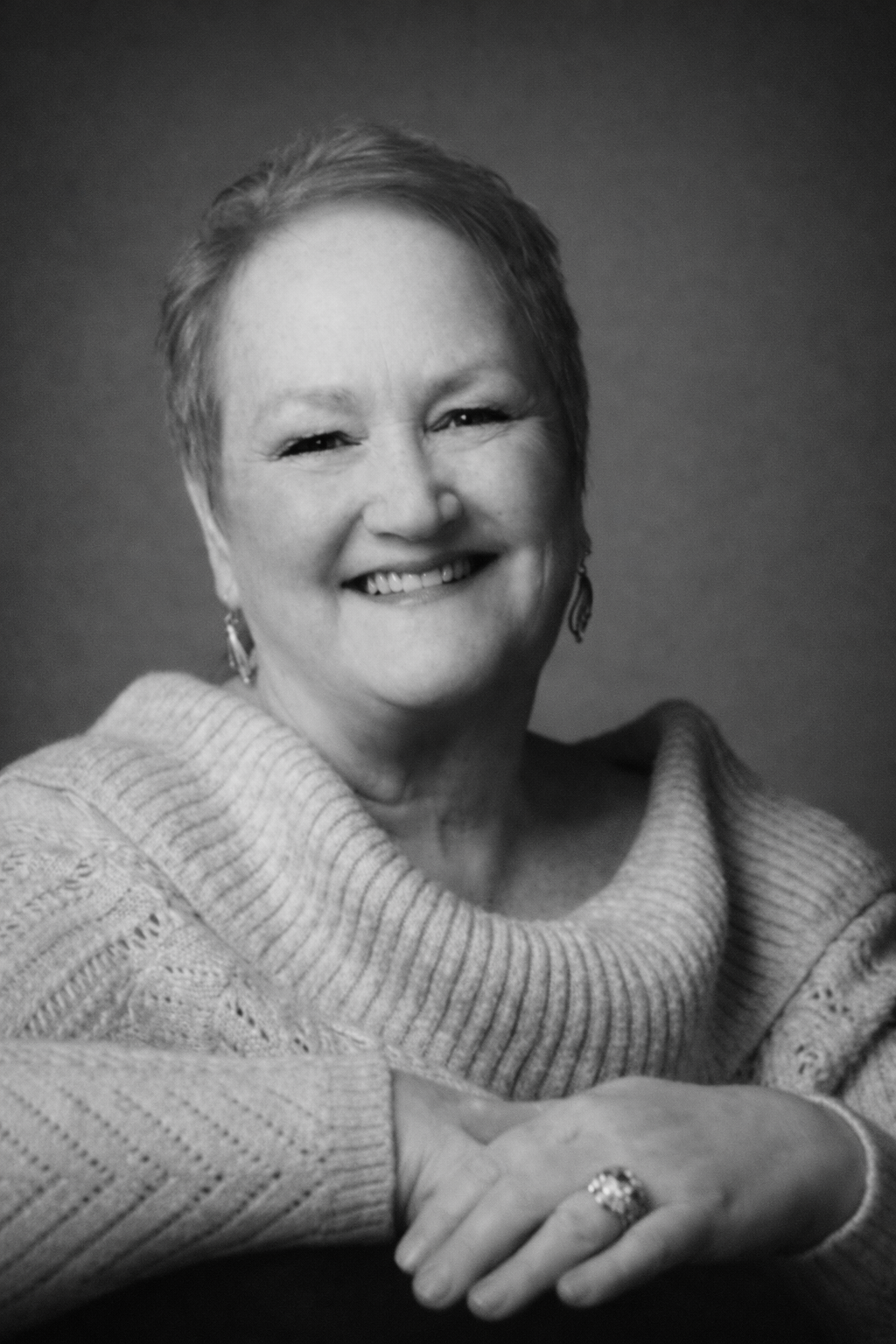
Project Turnabout announced Shelly Petrik as its new clinical director, bringing 33 years of experience in mental health and substance use disorder treatment to the role.
Petrik has spent her career working across residential, outpatient and community-based programs, often with people facing complex needs tied to mental health, polysubstance use and involvement in the medical and justice systems.
“My job is to create stability,” Petrik said in a recent interview. “Treatment keeps changing, and our programs and staff have to be able to respond to that.”
Over the past three decades, treatment has changed in major ways. In the early 1990s, substance use care often focused on one substance at a time, with mental health treated separately or not at all. Programs were more rigid, and people were expected to fit the program.
Today, Petrik said, the reality is very different.
“Most people coming into treatment now are using more than one substance,” she said. “Polysubstance use is the norm, not the exception. Many people also have serious mental health concerns that must be addressed at the same time.”
Petrik’s clinical philosophy centers on ongoing education and adaptability. She believes staff must be supported with up-to-date training on co-occurring disorders, emerging substances, and the growing complexity of client needs.
“There is also a real learning curve when clients come in experiencing psychosis,” she said. “Those situations require calm, skill and coordination. Staff need support to handle those moments safely and effectively.”
Project Turnabout's CEO, Marti Paulson, emphasizes that Petrik’s approach strengthens the organization’s mission by reinforcing the importance of a full continuum of care. Rather than viewing treatment as a single stay or program, the focus is on connected services that adjust as a person’s needs change.
“People don’t recover in one step or one setting,” Petrik said. “Residential treatment, outpatient care and ongoing support all need to work together. When there are gaps, people fall through them.”
For clients, that approach means care that looks at the whole person, not just one diagnosis or one moment in time. For staff, it means strong clinical leadership, clear guidance, and continued learning in a field that continues to evolve.
“When programs are stable, staff can do their best work,” Petrik said. “And when staff are supported and informed, clients have a better chance at long-term recovery.”
Project Turnabout CEO said Petrik’s experience and steady leadership will help the organization continue serving clients with increasingly complex needs while supporting staff and strengthening partnerships across healthcare and the justice system.
Project Turnabout provides residential, outpatient and community-based substance use disorder treatment services across western and southwestern Minnesota. The organization operates residential treatment facilities in Granite Falls, Willmar and Marshall, along with outpatient and supportive recovery services designed to meet people where they are and support long-term recovery.