How Creativity Supports Recovery
Project Turnabout has always understood the value of treating the whole person. That means recovery involves more than addressing substance use alone. It also means helping people understand their emotions, rebuild trust in themselves, reconnect with others, and begin imagining a different future.
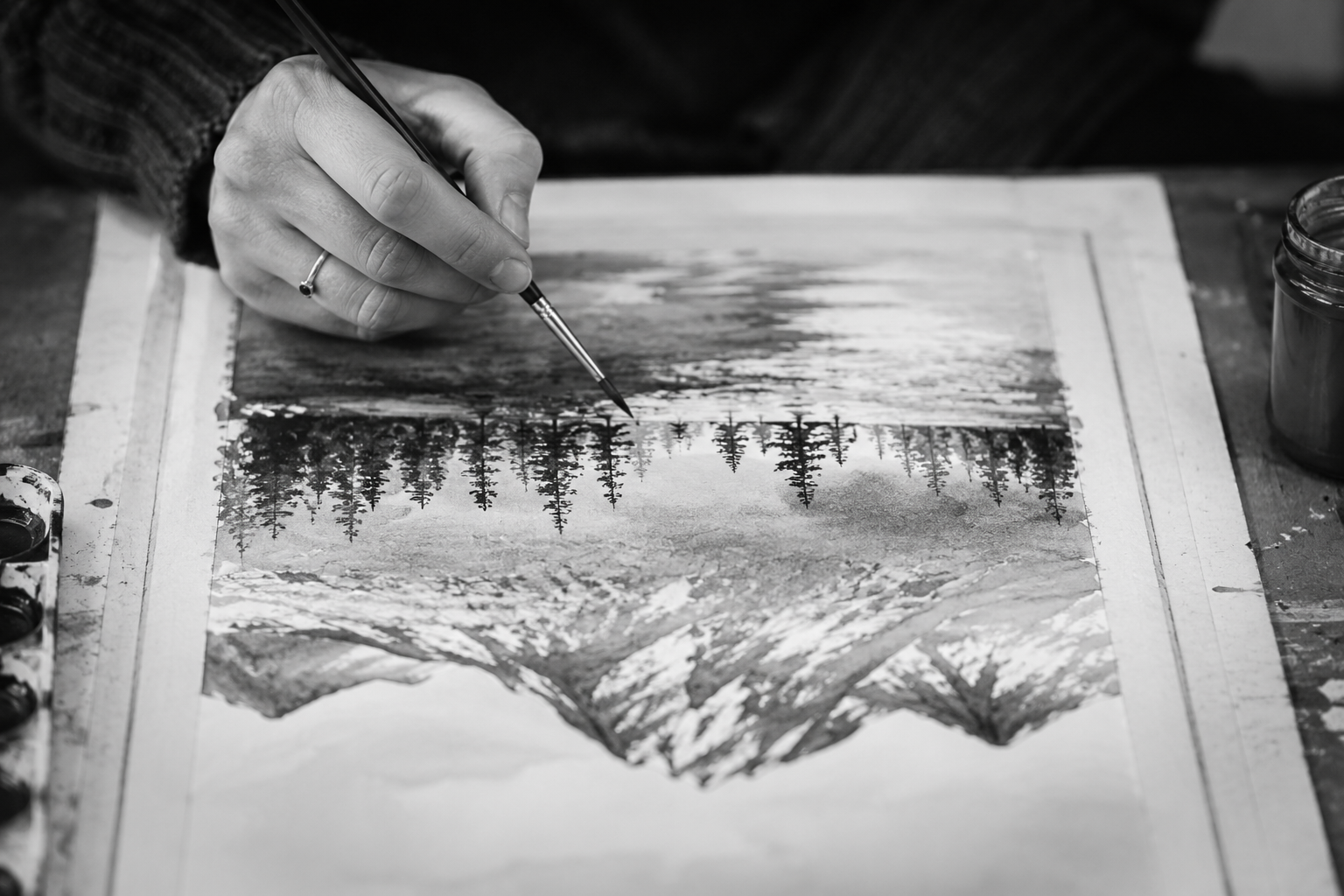
Art and creativity can be powerful tools in that process.
When people picture addiction treatment, they often think of counseling sessions, group meetings, and the familiar structure of the 12 Steps. Those approaches have been central to Project Turnabout’s work for more than 50 years. However, we also have a long history of incorporating creative activities into treatment.
A growing body of research suggests that combining traditional recovery approaches with art and creative therapies can help people move through some of the barriers they experience during early treatment.
What the Research Says
Research suggests that art therapy can help people begin taking the First Step.
Creating something can reach a part of a person that addiction has not completely taken away. It can lower resistance, encourage honest reflection, and make it easier for someone to accept support.
Other studies have found that creative activities can help people develop a more positive image of what recovery might look like. Treatment begins to feel less like something being done to them and more like something they are actively creating for themselves.
A literature review from Lesley University concluded that while the 12-Step model is already an established approach to recovery, incorporating art therapy can deepen a person’s insight and enrich the recovery process.
The Substance Abuse and Mental Health Services Administration has also supported the use of art therapy in group addiction treatment. Creative activities can engage a person’s attention, abilities, and self-awareness while helping them recognize and manage difficult emotions.
Research published in 2024 in Frontiers in Psychiatry also offers a possible explanation for why creativity can be so helpful. Addiction affects the brain’s reward system. Creative activity may help support attention, motivation, emotional regulation, connection, and an overall sense of well-being during recovery.
What Happens When We Create
When a person creates something, several areas of the brain are working together at once. The brain generates ideas, makes decisions, solves problems, and evaluates possibilities.
Creative activity may also affect the body’s stress and reward systems.
Studies have found that approximately 45 minutes of making art can significantly reduce cortisol, one of the body’s primary stress hormones. This benefit was seen even among people who did not consider themselves artistic.
Creating can also stimulate dopamine, a chemical involved in motivation, pleasure, and reward. This is especially meaningful in recovery because prolonged substance use can disrupt the brain’s natural reward system, leaving people feeling disconnected, unmotivated, or emotionally flat.
Creative activity offers a healthy way to begin engaging that system again.
Research involving jazz musicians has also shown that during improvisation, areas of the brain associated with self-monitoring and criticism become less active. For someone carrying shame, trauma, or harsh beliefs about themselves, creating can offer a temporary break from that internal judgment.
Creativity Creates an Opening
Project Turnabout Clinical Director Shelly Petrik has seen this happen firsthand.
She has worked with people who struggled to put their pain, experiences, or trauma into words. Once a creative activity was introduced, the conversation changed.
“You put a pen, crayon, paint, or something to build in front of someone, and suddenly they’re talking,” Shelly said. “Then you can help guide them toward recovery. Creativity allows people to be vulnerable.”
Art does not require someone to have the perfect words. It gives people another way to communicate, explore what they are feeling, and begin telling their story.
At Project Turnabout, creativity is not separate from recovery. It can be one of the ways recovery begins.