A Practical Guide for Probation, Hospitals, and Treatment Providers
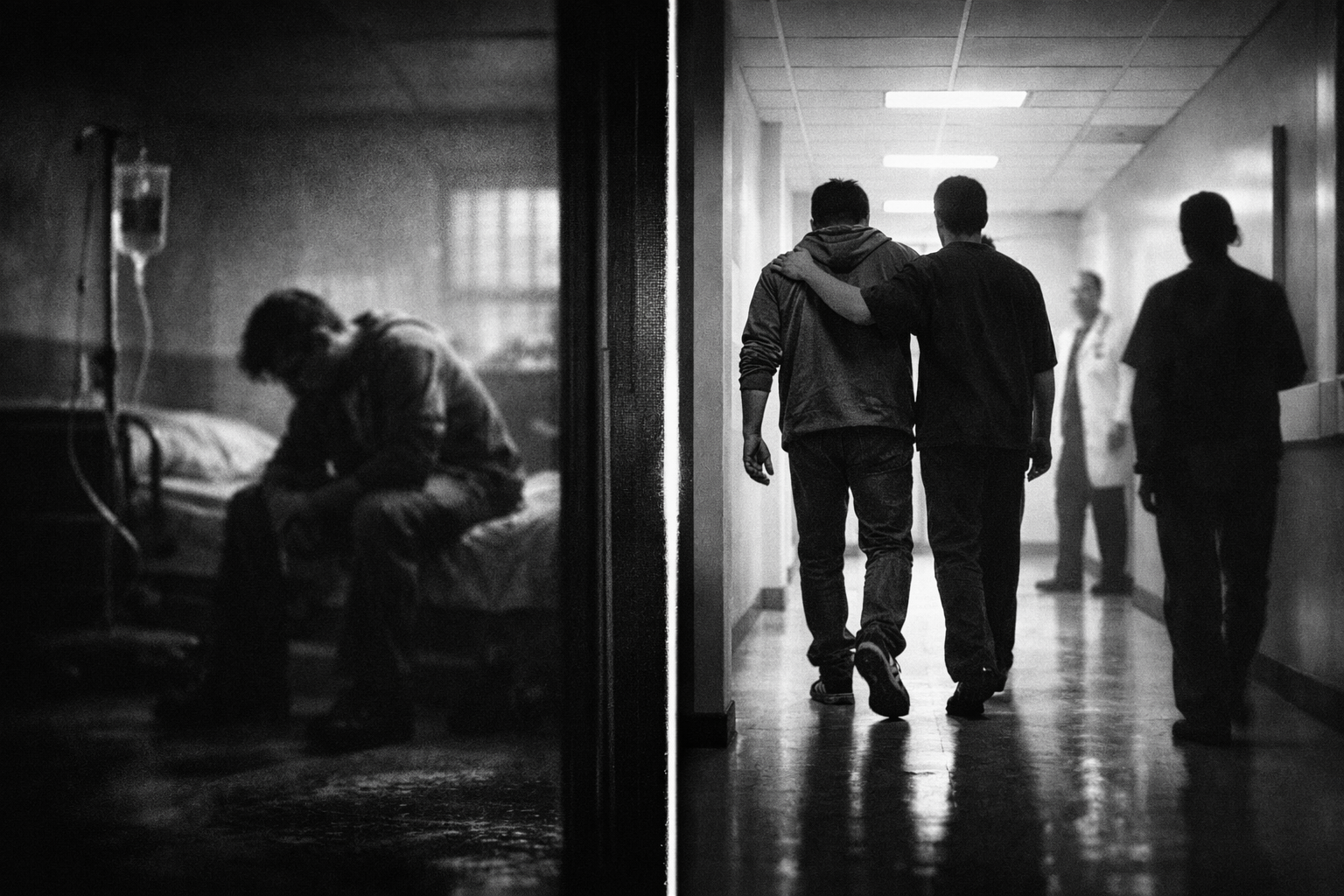
For professionals working on the front lines, the question isn’t theoretical:
“Is this person safe to discharge...or do they need detox?”
At Project Turnabout, detox is not positioned as a standalone service. It is the first step in a structured continuum of care designed to move individuals from crisis to stability to long-term recovery.
This guide is built to help you make faster, safer referral decisions.
What Detox Solves (From a Systems Perspective)
Detox provides:
- Medical stabilization during withdrawal
- Risk reduction (seizures, complications, relapse)
- Immediate placement into next level of care
Bottom line:
Detox is the safest bridge between active use and structured treatment engagement
When to Refer to Detox: Key Indicators
Active or Imminent Withdrawal Risk
- Alcohol use with risk of seizures or delirium tremens
- Opioid, benzodiazepine, or polysubstance dependence
- History of complicated withdrawal
Action:
Do not discharge without medical oversight → detox referral recommended
Physical Dependence with Daily Use
- Client reports needing substances to function
- Clear tolerance and withdrawal patterns
Action:
Outpatient or self-directed detox is unlikely to succeed → higher level of care needed
Failed Attempts at Lower Levels of Care
- Repeated relapse after outpatient or IOP
- Non-compliance due to unmanaged withdrawal symptoms
Action:
Stabilize first → detox before re-engagement in treatment
Co-Occurring Mental Health Instability
- Anxiety, depression, or agitation worsened by substance use
- Difficulty distinguishing withdrawal vs. psychiatric symptoms
Action:
Detox allows for clearer clinical assessment post-stabilization
Unsafe Discharge Environment
- No stable housing
- Exposure to triggers or active use environments
- Limited support system
Action:
Detox provides immediate containment and transition planning
Justice-Involved Individuals at Risk of Recidivism
- Substance use directly tied to offenses
- Non-compliance driven by addiction, not intent
Action:
Detox + step-down placement reduces repeat violations and system cycling
Why Detox Improves Outcomes (For You and the Client)
Reduces Medical Liability
Unmanaged withdrawal — especially alcohol — carries real risk.
Detox ensures:
• 24/7 monitoring
• Medical intervention when needed
Increases Treatment Engagement
Individuals are far more likely to:
• Enter residential care
• Stay engaged
• Follow through
when withdrawal is managed first
Shortens the Time to Stabilization
Instead of:
• ER visits
• Failed outpatient starts
• Repeat crises
Detox creates a direct path into structured care
Strengthens Your Referral Outcomes
When detox is paired with a step-down model:
• Fewer drop-offs between levels
• Higher completion rates
• Better long-term recovery trajectories
What Actually Makes the Difference: Continuity of Care
The most important moment doesn’t happen during detox. It happens right after.
Too often, individuals stabilize physically… and then hit a gap. A discharge. A referral list. A delay. And in that space, momentum is lost.
At Project Turnabout, detox is not an endpoint. It is the beginning of a structured path forward. As soon as someone stabilizes, they are already moving into the next phase, whether that’s residential treatment, step-down care, transitional living, or outpatient support. There is no pause where they are left to figure it out on their own.
Because the difference between short-term stabilization and long-term recovery is simple:
Do they have somewhere to go next, immediately?
When that answer is yes, outcomes change.
Make the Right Call — When It Matters Most
When someone is at the point of needing detox, timing is everything. Waiting for things to get worse is not a strategy.
Hoping they’ll stabilize on their own is a risk.
At Project Turnabout, our 24/7 medical detox is designed for exactly these moments:
- Immediate access to care
- Safe, medically supervised withdrawal
- Direct transition into the next level of treatment
Make a decision that determines what happens next.
If there’s any question, make the call.