Unique benefits of residential gambling treatment
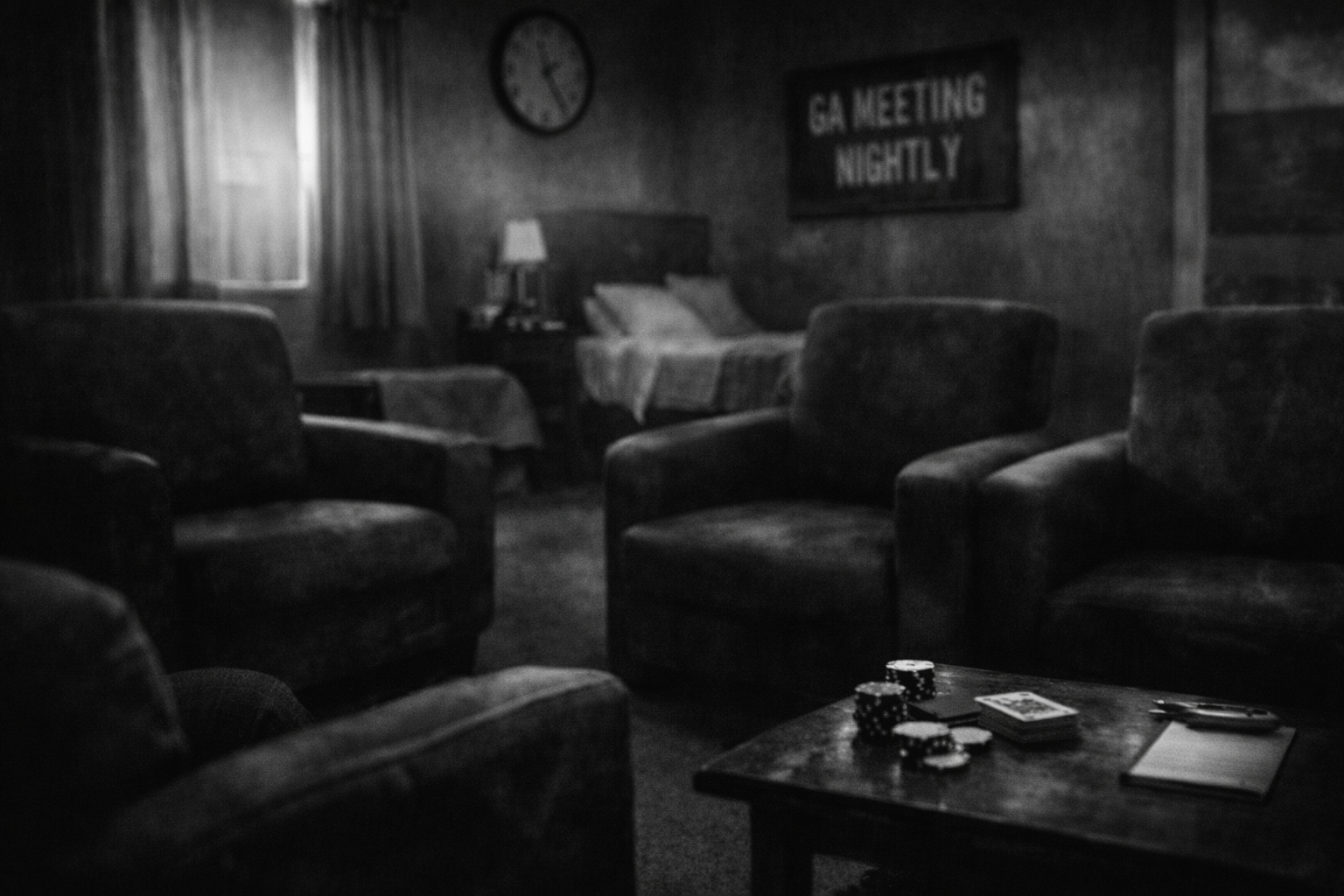
We observe patients 24/7 for 30 days
We admit patients for 30 days and during that time Vanguard becomes their home away from home. During that time, our facility is staffed 24/7. We are able to observe patients and their natural habits of sleep, rest, food intake, exercise, and ability to tolerate structure. By observing patients in this way, we get an accurate assessment of how they function on a day-to-day basis. We can create healthy routines while they are here that support their long term recovery goals. Moreover, we can observe whether patients are able to implement those plans. Counseling staff work with patients in our care daily to ensure practical application of coping skills and surrender to a program. After 30 days, noticeable improvements are often present in regards to PAWS, depression, anxiety, and cravings.
We can hold patients accountable for their time after programming is completed
We are able to hold patients accountable for their time even after they complete a full day of programming. Patients are expected to maintain structure daily, including evening meals, GA meetings, and peer bonding. It is not simply a ‘see you later’ kind of program. In residential treatment, rest is scheduled and part of the treatment program. Patients are not only taught to tolerate structure, they are taught to tolerate rest and boredom. By doing this, patients learn to tap into their serotonin response again. They learn what an ‘off switch’ really means, and what signals their bodies are sending to them when they are tired, hungry, upset, or experiencing treatment fatigue. These lessons are vital to their continued success in recovery after they graduate from our program.
Patients attend and lead their own GA groups in the evening
Treatment for gambling disorder on Vanguard includes nightly patient lead GA meetings. This is an opportunity for patients to create strong peer bonds and practice the structure of a GA group. Patients who are resistant to meetings often find these groups are their favorite part of the treatment experience. This is an opportunity for patients to lead a GA group, discuss their addiction openly with their peers, and come together as a unit. These meetings occur daily, and are a mandatory part of the treatment program. Not only do they build peer relationships, they reinforce the habit of regular meeting attendance. When patients graduate our program, they have all attended 30 meetings in 30 days. Patients learn that meeting attendance can be enjoyable, and they begin to feel comfortable in that setting.
We build strong peer support and peer relationships
Patients at our treatment facility are taught to build strong, lasting peer relationships. They are coached to maintain those relationships when they graduate. These relationships become their life line to recovery. Because they live with us 24/7 for 30 days, we are able to trouble shoot with them feelings of anxiety and social isolation. We can create treatment plans that address feelings of insecurity when opening up to a new group of peers. We can discuss how their peer relationships are progressing and give them tips to strengthen those bonds. Living in treatment gives patients resources to learn about their social intelligence through active learning, education with treatment staff, and regular interactions with their peers. This is a chance to recognize why they may tend to isolate themselves from their peer group and start to think about what a sober peer support system actually means.
Patient’s are able to focus on their recovery without interference from the outside world
A patient’s only job in treatment is to get better. There are no distractions, no cell phones, no family conflicts. Work is paused. Relationships are on pause. The world basically stops for 30 days so the patients in our care can focus on their recovery goals. Patients don’t have to worry about driving to and from in bad weather. They don’t have to worry about shoveling snow, mowing their lawns, taking the dogs out, or getting their kids to school. They are entirely focused on their recovery goals. This treatment environment begins the healing process, allowing patients to point themselves firmly in the direction of recovery. The healing process starts with treatment, but the healing process continues because treatment gives our patients a strong foundation to build their long term recovery goals