How Creativity Supports Early Recovery
Early recovery brings up a lot of feelings that can be hard to face, and research suggests that creative activities like art, music, and writing give people a safe way to work through them. When emotions are too big or too tangled for words, putting them on paper or into a song helps the brain process what happened without becoming overwhelmed by it. Studies on art and music therapy have found that people in treatment who take part in creative work often report less anxiety, better emotional awareness, and a stronger sense of hope about the road ahead. Creativity does not replace treatment, but it gives people in early recovery a healthy outlet for the hard days and a way to start telling their own story on their own terms.
Recovery stirs up a lot of big feelings, and sometimes those feelings are hard to talk about. Creative activities like drawing, writing, or playing music give people a safe way to let those feelings out. Instead of holding everything inside, a person can put their sadness, anger, or hope into something they make with their own hands. This helps the feelings feel smaller and easier to handle. Many people in recovery say that making something creative helps them get through hard days without turning back to old habits.
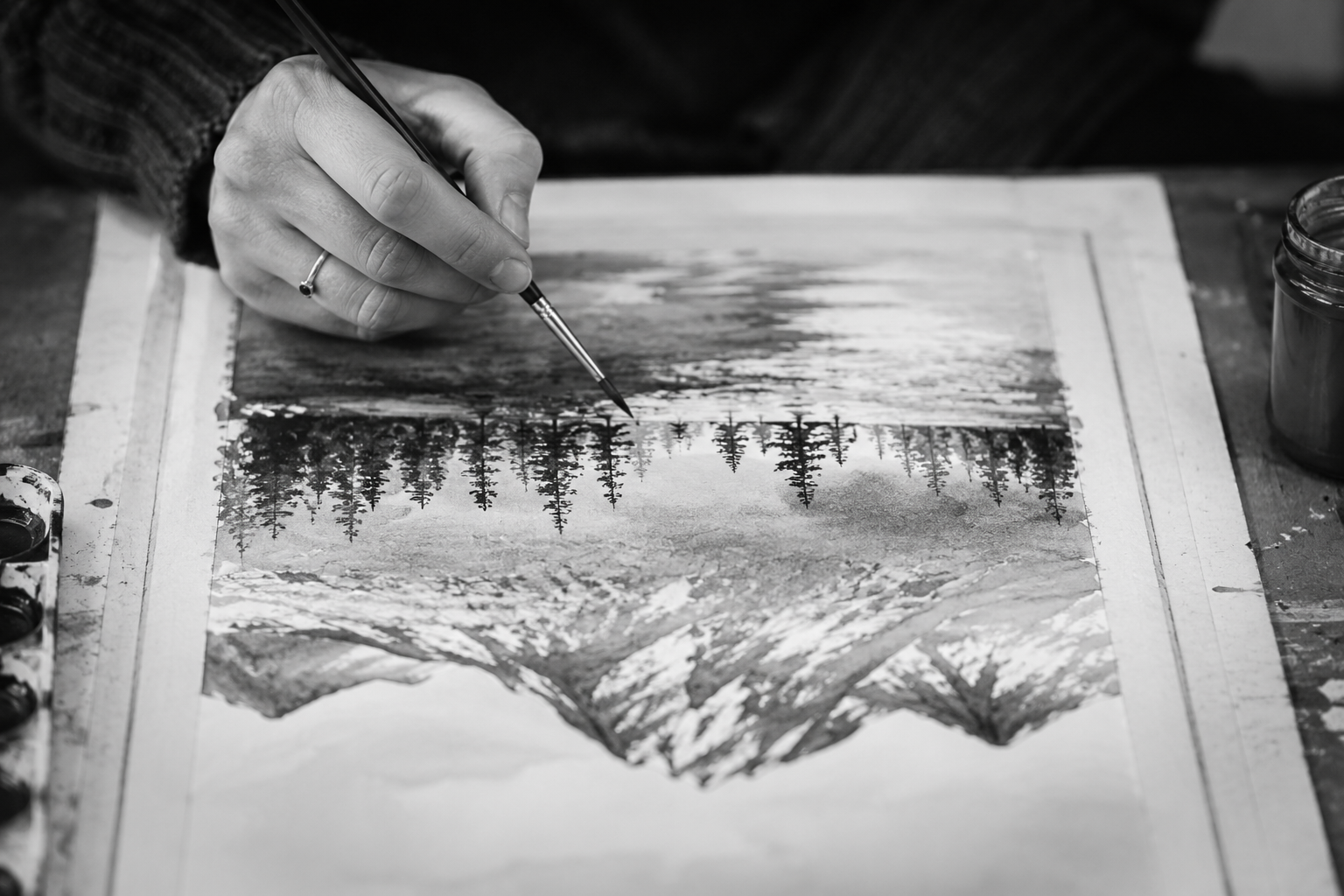
For a long time, addiction can feel like the biggest part of who a person is. Recovery is a chance to change that. When someone paints a picture, writes a poem, or learns to play a song, they get to see themselves in a new way. They are not just a person working on recovery anymore. They are an artist, a writer, or a musician. Making something and being able to say "I made that" builds real pride. Over time, those small moments add up, and the person starts to see a whole new version of themselves, one that is about what they can create instead of what they left behind.
Our brains are built to feel good when we do something rewarding, and addiction takes over that system. Creative activities help give it back in a healthy way. When a person finishes a drawing, writes a song, or completes a craft project, the brain gets a natural boost of good feelings. It is the same sense of reward, but this time it comes without the crash, the guilt, or the harm that came with using. Over time, the brain starts to connect good feelings with making things instead of old habits. That is one reason so many people in recovery find joy in being creative.
Two of the biggest challenges in recovery are stress and empty time. When a person feels worried or has nothing to do, old habits can start calling. Creative activities help with both. Channeling creativity gives the mind something calm to focus on, almost like taking a deep breath. It also fills the hours that used to be the most risky. Instead of sitting alone with hard thoughts, a person can pick up a paintbrush or a pen and get lost in making something. Staying busy in a healthy way makes it easier to get through tough moments one day at a time.
Recovery is hard to do alone, and creativity has a way of bringing people together. When someone shares a drawing, reads a poem out loud, or plays a song for a group, others get to see a part of who they are. That takes courage, and it often leads to real friendships. People cheer each other on, swap ideas, and realize they are not the only ones going through hard things. Feeling connected to others is one of the biggest things that helps people stay strong in recovery. Making and sharing creative work is a simple and fun way to build those bonds.
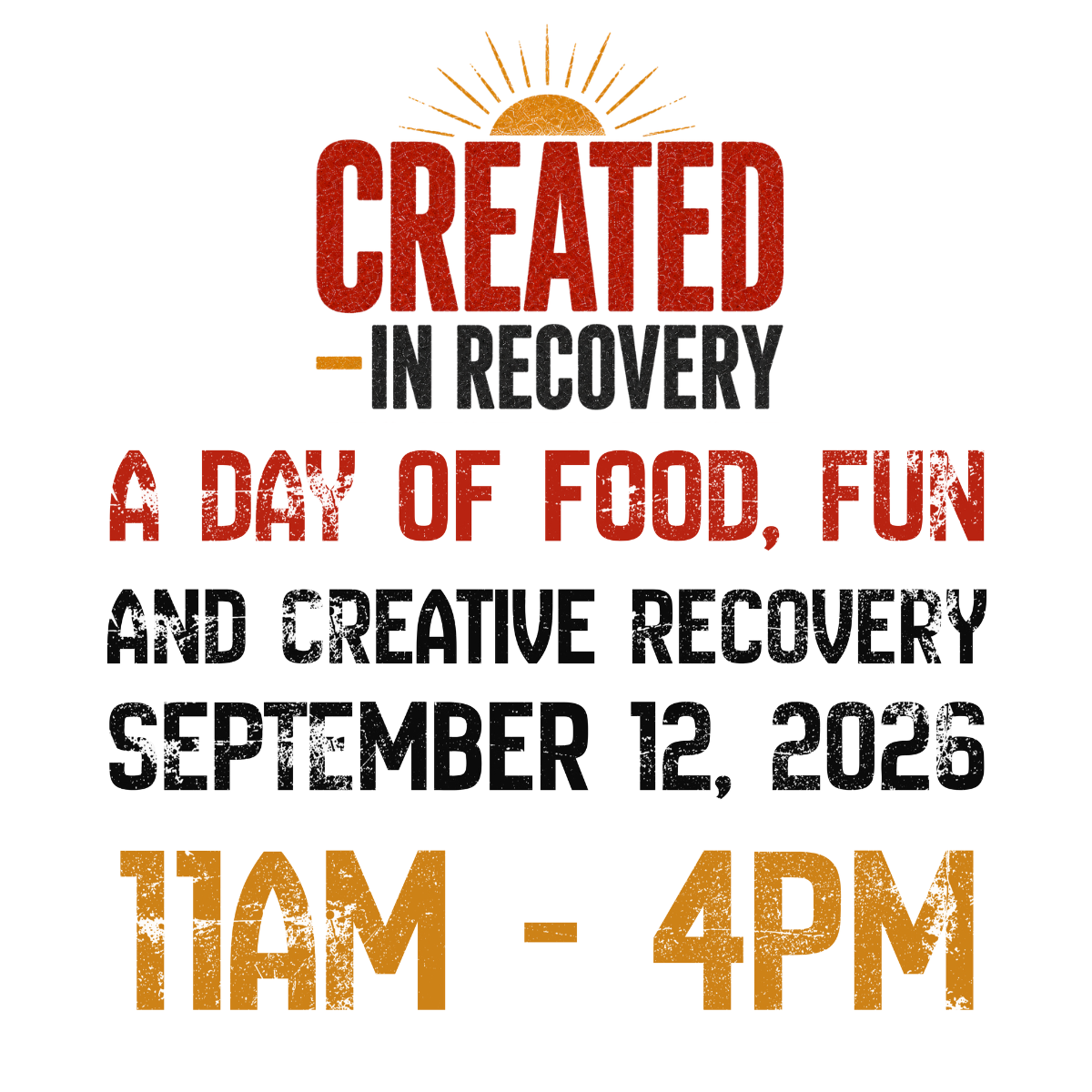
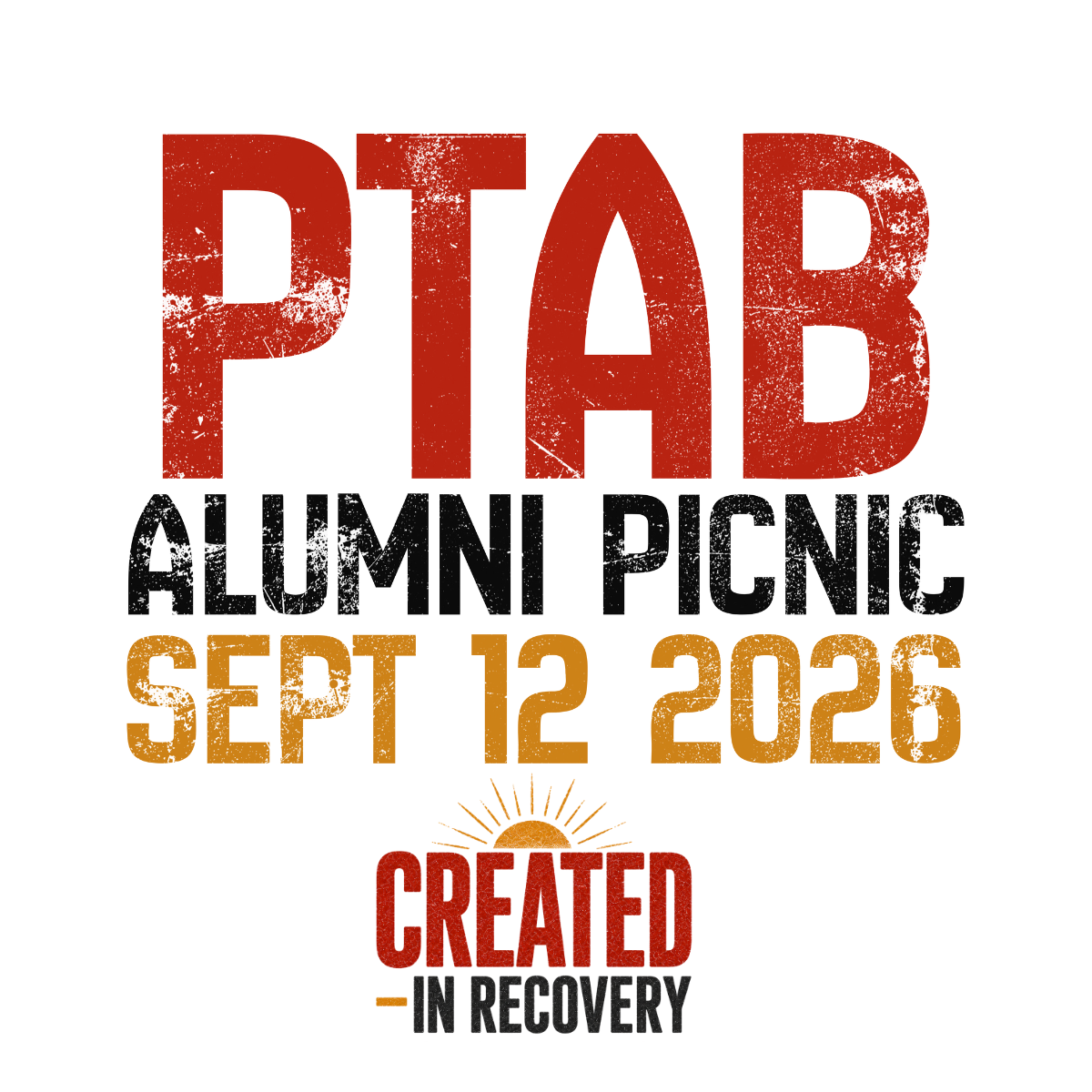
Created in Recovery is our alumni picnic and talent showcase happening on September 12, and it is all about celebrating the creativity, courage, and community that carry people through recovery.
The afternoon brings together alumni, families, and staff for food, live music, and time to reconnect with the people who have been part of the journey.
We're calling on artists in recovery to join on us on this day and share the power for their creative works.
Created in Recovery is a chance to celebrate how far our alumni have come and the new lives they are building.